A recent study has shed light on the strengths and weaknesses of hybrid language models compared to traditional transformer architectures. Researchers from Allen Institute for Artificial Intelligence (AI2) have conducted experiments comparing their strongest 7B transformer model, Olmo 3, with a hybrid model, Olmo Hybrid. The results show that hybrid models excel in predicting tokens that carry meaning, such as nouns and verbs, but struggle when it comes to repeated tokens.
Background and Context
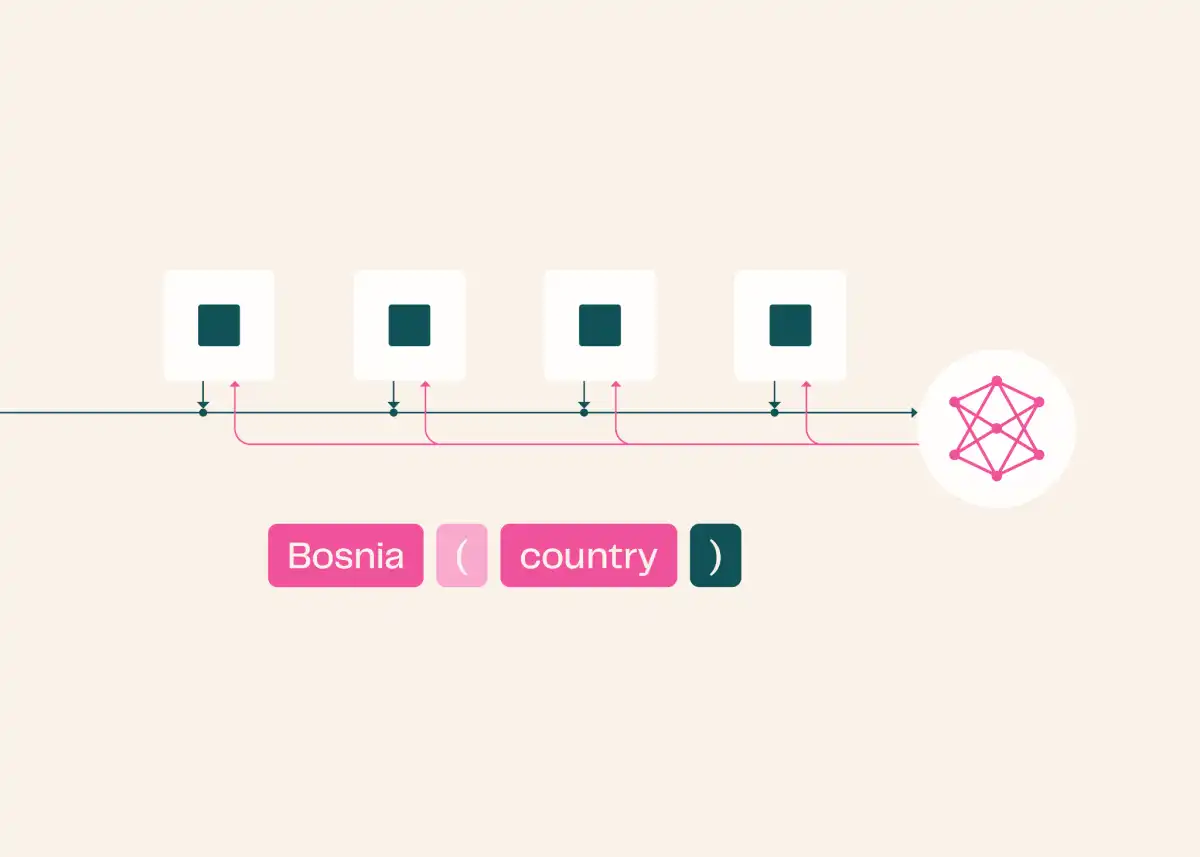
The study is built on top of previous research on tokenization, which plays a crucial role in natural language processing (NLP). Tokenization involves segmenting text into individual units of information, known as tokens. The researchers used a linguistically informed hybrid tokenization framework that integrates rule-based morphological analysis with statistical subword segmentation to address the limitations of traditional tokenization techniques.
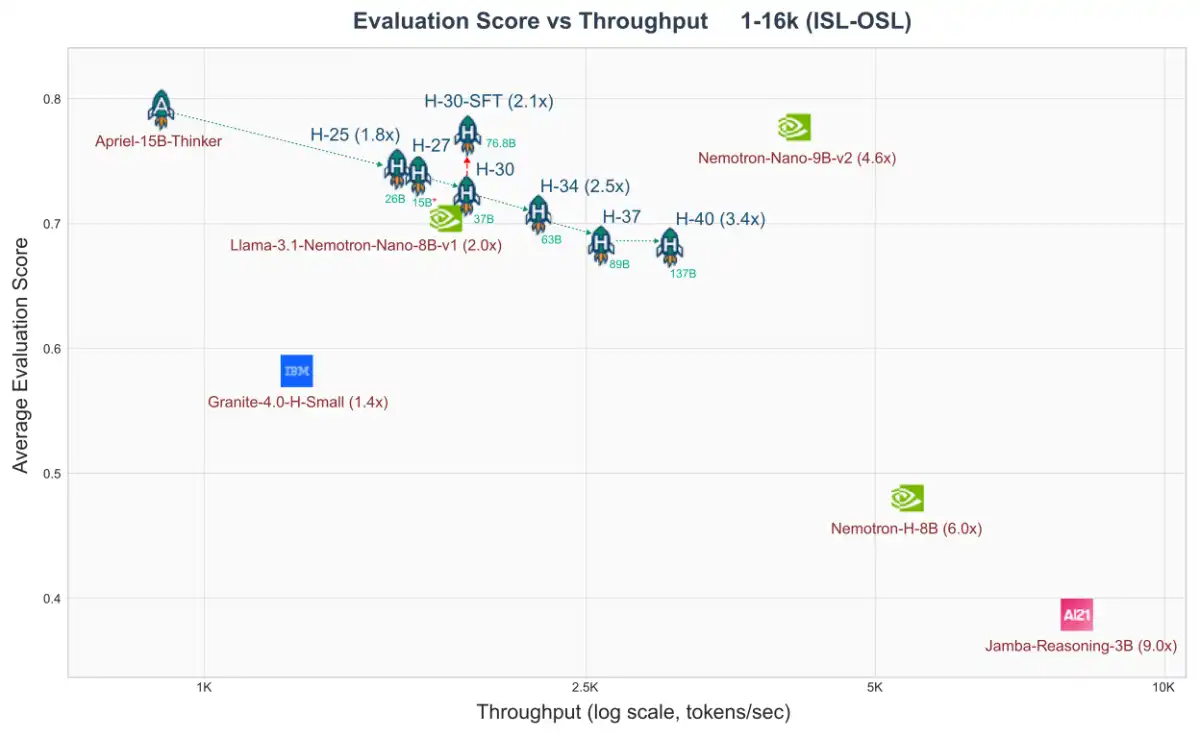
The study also draws from recent research on token efficiency in agent loops. Token efficiency refers to the ability of a model to accomplish useful work while minimizing token consumption. The researchers found that smaller vision models can outperform larger reasoning models in agent loops due to their higher token efficiency. This has significant implications for the adult industry, where large-scale content moderation and age verification require efficient processing of vast amounts of text data.
What Happened
The researchers conducted experiments comparing Olmo 3 and Olmo Hybrid on a range of tasks, including predicting tokens in prose and structured text. They found that hybrid models excel in predicting tokens that carry meaning, such as nouns and verbs, but struggle when it comes to repeated tokens.
Specifically, the study shows that hybrid models have lower loss than transformers on most kinds of tokens, although not by the same amount on each. The clearest divide is between content words, which include meaning-bearing nouns, verbs, and adjectives, and function words like "the," "of," and "is." Hybrid models predict content words better than transformers, with a loss gap around 0.040.
Why it Matters to the Industry
The findings of this study have significant implications for the adult industry, where large-scale content moderation and age verification require efficient processing of vast amounts of text data. Hybrid models excel in predicting tokens that carry meaning, which is essential for tasks like sentiment analysis and intent detection.
However, hybrid models struggle when it comes to repeated tokens, which are common in adult content. This highlights the need for more research on tokenization techniques that can handle complex linguistic structures and repeated patterns. The study also underscores the importance of token efficiency in agent loops, where smaller vision models can outperform larger reasoning models due to their higher token efficiency.
What Comes Next
The researchers plan to take these findings into their ongoing hybrid modeling work, with a focus on understanding what each component of a model does well. They hope that studies like this will help grow the understanding of hybrid models across the AI community.
Key Facts
- Hybrid models excel in predicting tokens that carry meaning, such as nouns and verbs.
- Hybrid models struggle when it comes to repeated tokens.
- The study compared Olmo 3 and Olmo Hybrid on a range of tasks, including predicting tokens in prose and structured text.
- Hybrid models have lower loss than transformers on most kinds of tokens.
- The study highlights the importance of token efficiency in agent loops.
The findings of this study have significant implications for the adult industry, where large-scale content moderation and age verification require efficient processing of vast amounts of text data. As researchers continue to explore the strengths and weaknesses of hybrid models, it is clear that these architectures will play an increasingly important role in the development of AI systems.