The Australian government has announced plans to double the maximum penalty for social media platforms that breach its under-16 ban, from A$49.5m to A$99m (approximately $68m USD). The move is aimed at strengthening enforcement and ensuring compliance with the law, which prohibits children under 16 from accessing certain social media platforms.
The government has also given the eSafety Commissioner, Julie Inman Grant, stronger information-gathering powers, allowing her to demand documents and evidence not only from the platforms themselves but also from age-checking companies and app stores. This includes internal material such as company board minutes and internal emails, which can be used to build stronger cases against non-compliant platforms.
What Happened
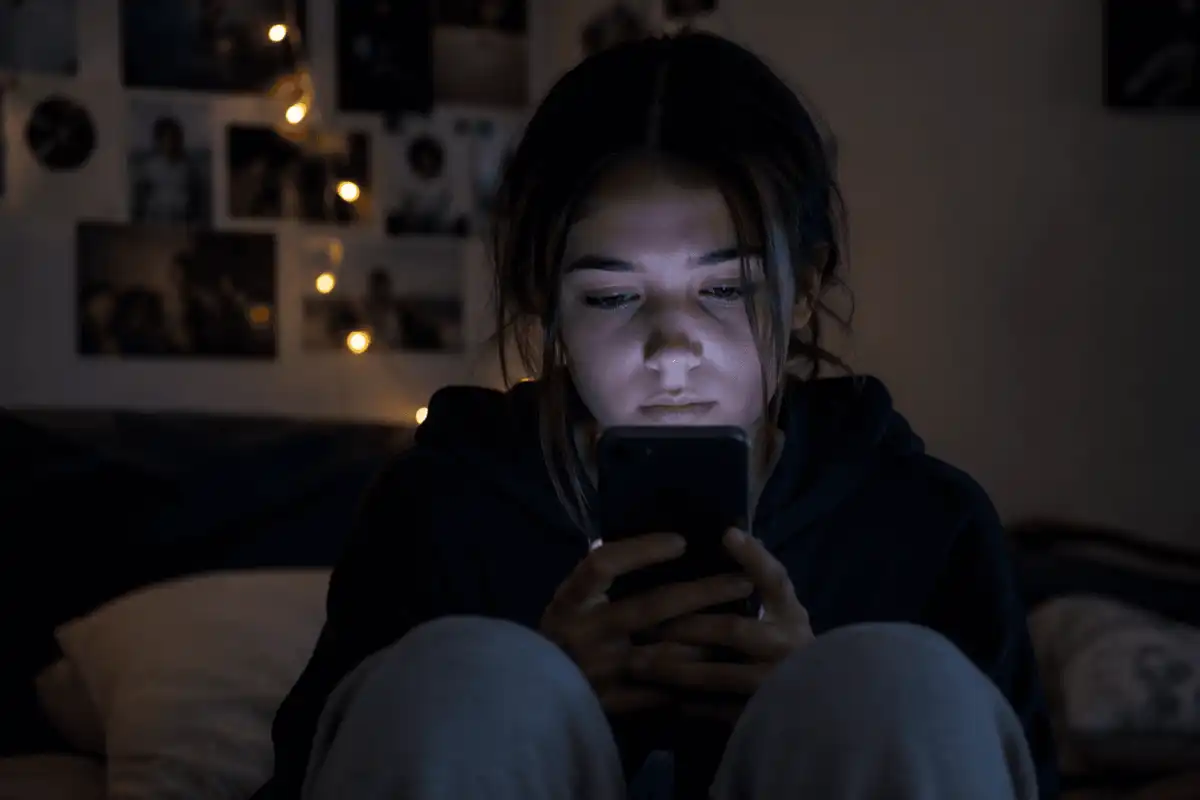
The under-16 ban was introduced on December 10, 2025, as part of the Online Safety Amendment Act. The government says more than five million accounts held by under-16s have since been blocked. However, investigations have revealed that many children are still able to access and use the banned apps.
Research has shown that despite the ban, a large share of children who used social media before the ban still had access to an account afterwards. This has led experts to warn that the government needs to switch into "enforcement mode" and take on tech giants over its social media ban after doubling fines.
Background and Context
The Australian government's decision to double the maximum penalty for social media platforms that breach its under-16 ban is part of a broader effort to strengthen enforcement and ensure compliance with the law. The move follows research that suggested the majority of under-16s were bypassing age restrictions.
Communications Minister Anika Wells has been blunt about the motive she ascribes to the platforms, arguing they are doing the bare minimum because they want the laws to fail. The new penalty regime is calibrated against exactly that calculation: a fine large enough that compliance becomes cheaper than the risk of being caught not complying.
Why it Matters to the Industry
The Australian government's decision to double the maximum penalty for social media platforms that breach its under-16 ban has significant implications for the adult industry. The move demonstrates a willingness by governments to take a tougher stance on online regulation and enforcement, which could set a precedent for other countries.
For adult-industry platforms and operators, this means that they will need to be more vigilant in ensuring compliance with age-verification regulations. The increased penalties and stronger information-gathering powers of the eSafety Commissioner will make it easier for governments to hold non-compliant platforms accountable.
What Comes Next
The legislation has not yet passed, and the timetable for the higher penalties and expanded powers will depend on its passage through parliament. The companies have generally said they are working to comply, but experts warn that stronger enforcement mechanisms are clearly needed.
Australia's experiment is being watched well beyond its own borders, with more than a dozen countries signaling interest in similar restrictions since December. Several countries, including the UK, are weighing measures that reach into gaming and AI chatbots as well as social feeds.
Key Facts
- The Australian government has announced plans to double the maximum penalty for social media platforms that breach its under-16 ban, from A$49.5m to A$99m (approximately $68m USD).
- The eSafety Commissioner will have stronger information-gathering powers, allowing her to demand documents and evidence not only from the platforms themselves but also from age-checking companies and app stores.
- More than five million accounts held by under-16s have been blocked since the ban was introduced on December 10, 2025.
- Research has shown that despite the ban, a large share of children who used social media before the ban still had access to an account afterwards.
- The Australian government's decision is part of a broader effort to strengthen enforcement and ensure compliance with the law.
Australia's experiment is being watched well beyond its own borders, with more than a dozen countries signaling interest in similar restrictions since December. Several countries, including the UK, are weighing measures that reach into gaming and AI chatbots as well as social feeds.