Mastodon, the decentralized social network, has released a new feature that allows creators to send their posts directly to email subscribers, bypassing the need for users to join the platform. This move aims to address the open social web's biggest problem: audience growth.
What Happened
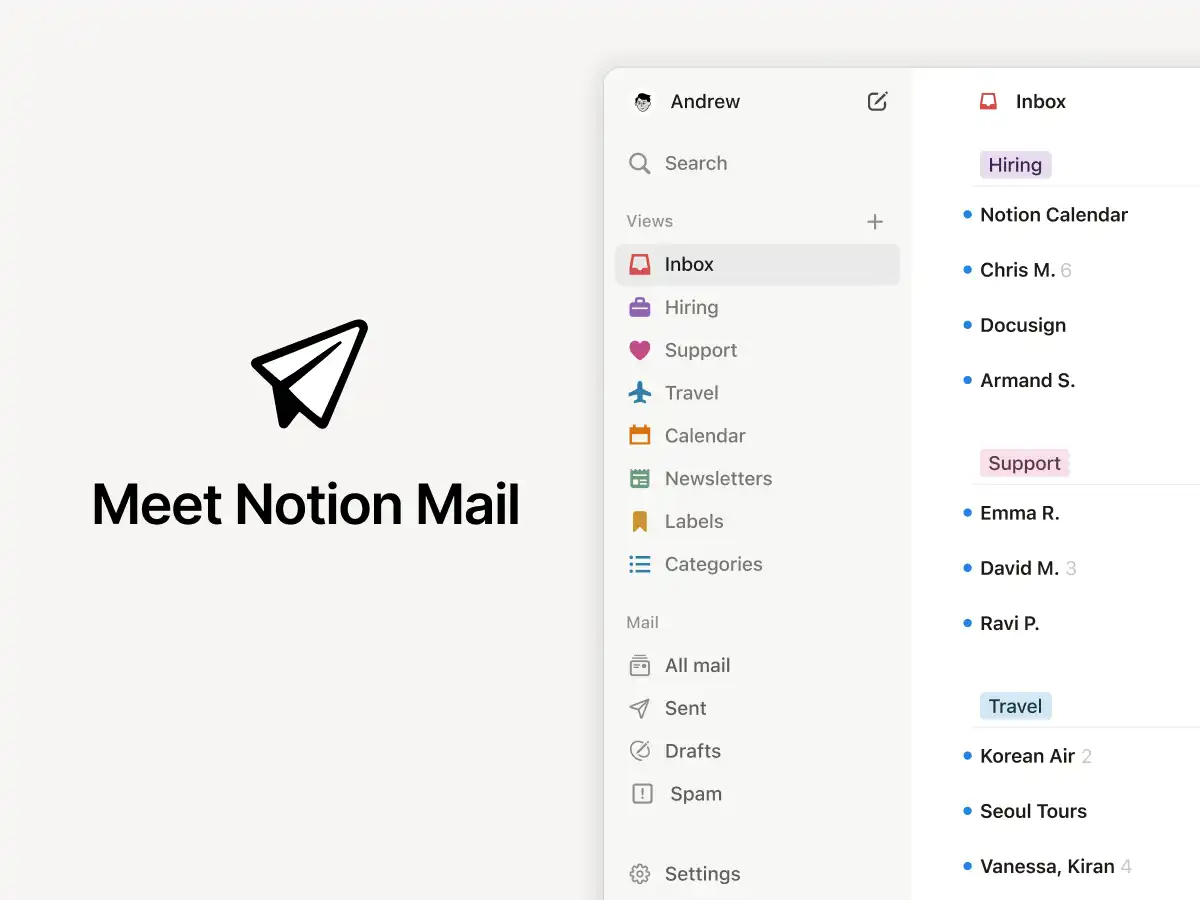
Mastodon 4.6, the latest release of the software, introduces email newsletters as a feature that will allow writers to send their posts directly to subscribers' inboxes, even if those subscribers don't have or want a Mastodon account. This means that people who want to follow a Mastodon account no longer need to join the platform; they just need an inbox.
The feature is not turned on by default and requires creators to have an assigned role with the correct permissions. This means they either run their own server, use one hosted by Mastodon's paid institutional service, or negotiate access with their existing server operator. The company chose to restrict it because sending newsletters can "significantly rack up the costs of operating a Mastodon server."
Background and Context
Mastodon has roughly 735,000 monthly active users, according to its own server directory, while the broader fediverse counts over a million active accounts. Bluesky has 44.8 million registered users, Threads has more than 450 million monthly actives, and Mastodon's audience remains a fraction of either.
The company sees the potential for media organizations to join Mastodon and for independent journalists and bloggers who want to allow anonymous visitors to subscribe to their accounts. The anonymity these subscriptions provide could also encourage sign-ups among those who don't like to be tracked by newsletter platforms for privacy reasons.
Why it Matters
The email newsletter feature addresses a fundamental growth constraint for Mastodon and the open social web. By allowing creators to send their posts directly to email subscribers, Mastodon can bypass the need for users to join the platform, which has been a major hurdle in growing its audience.
This move also highlights the importance of decentralization and portability in social media platforms. Because Mastodon accounts are portable, creators who build an email subscriber list through the platform can still migrate to a different server and take their audience with them.
What Comes Next
The company's decision to restrict the feature to institutional users suggests that it is primarily intended for organizations and entities that want to run their own servers. This could lead to a new wave of adoption by media organizations and independent creators who want to build portable audiences on the decentralized web.
Key Facts
- Mastodon has released a new feature that allows creators to send their posts directly to email subscribers.
- The feature is not turned on by default and requires creators to have an assigned role with the correct permissions.
- Mastodon has roughly 735,000 monthly active users, while the broader fediverse counts over a million active accounts.
- Media organizations can join Mastodon and allow anonymous visitors to subscribe to their accounts.
- The anonymity of email subscriptions may appeal to users who avoid newsletter platforms that track reading behavior for advertising purposes.
- Mastodon accounts are portable, allowing creators to migrate to a different server and take their audience with them.