A recent analysis of 4 million AI Overview citations has revealed a significant shift in how Google's AI systems select sources for their generated answers. Only about 38% of cited URLs appear in the top 10 search results, down from 76% in mid-2025. This change is attributed to Google's query fan-out process, which splits an initial search query into multiple related sub-queries and draws from across all those sub-query results.
What Happened
The analysis, conducted by Ahrefs, compared URLs cited in AI Overviews with their rankings in traditional search engine results pages (SERPs) to understand the evolving relationship between organic rankings and AI citations. The study found that only 38% of URLs cited by AI Overviews appear within the top 10 organic search results, down from 76% in mid-2025. This represents a significant shift in how Google's AI systems select sources for their generated answers.
The remaining citations come from lower-ranked pages or those outside the top 100 results, indicating AI's greater reliance on expanded query sets rather than direct SERP results. YouTube URLs form a significant portion of AI citations, representing 18.2% of cited pages outside the top 100 and 5.6% overall, making YouTube the most cited domain in AI Overviews.
Background and Context
The shift in citation behavior is attributed to Google's upgrade to Gemini 3 as the global default for AI Overviews on January 27, 2026. This change has led to a greater reliance on fan-out queries, which split an initial search query into multiple related sub-queries and draw from across all those sub-query results. This approach broadens the scope of cited sources, pulling in content that may not appear in standard SERPs.
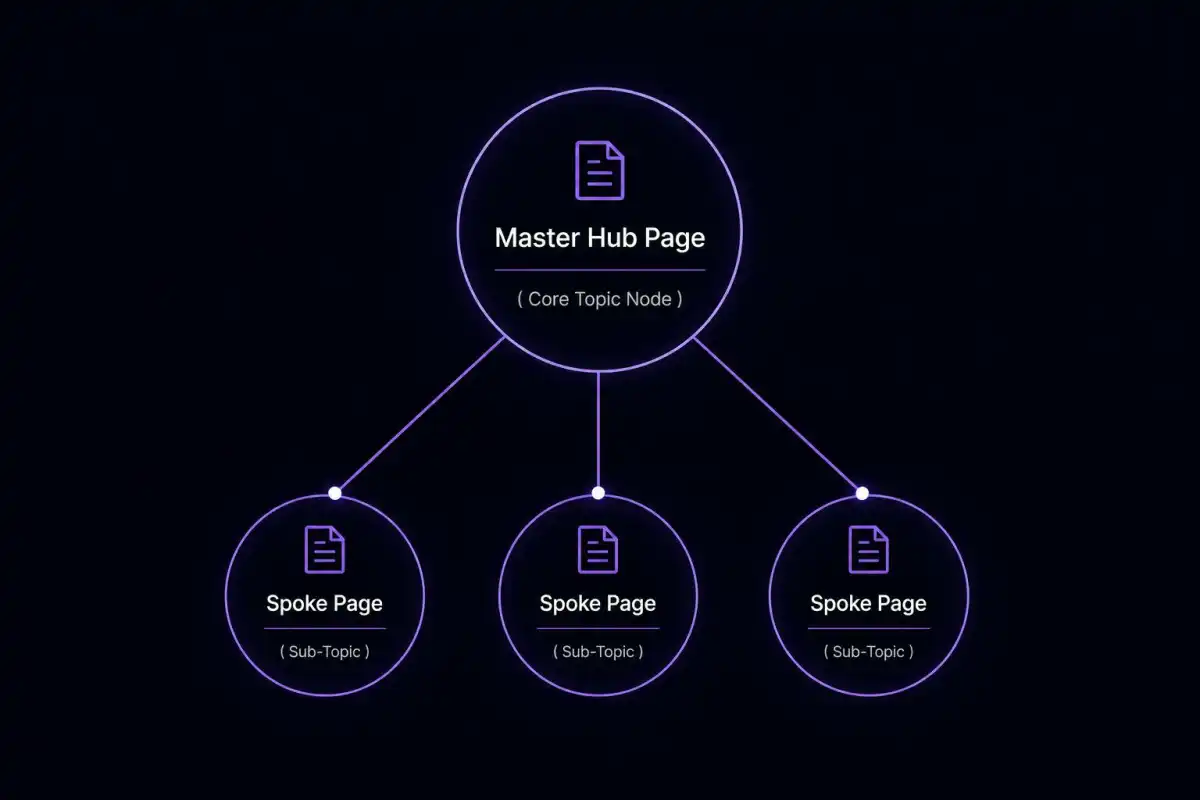
Google's AI now performs a "query fan-out," splitting an initial search query into multiple related sub-queries. AI Overviews then draw from the pages ranking well across these sub-queries, rather than relying solely on the original query's top results. This shift means that SEO strategies focused exclusively on ranking for a single keyword are less likely to secure AI Overview citations.
Why It Matters
The implications of this shift are significant for businesses and content teams that rely on AI visibility. Ranking #1 for a single keyword is no longer enough to guarantee AI Overview visibility. Topical depth, multi-format content, and fan-out query coverage are now the primary levers. This means that SEO strategies must adapt to address a wider array of related topics and user intents captured by fan-out queries.
The shift also highlights the importance of YouTube in AI citations. With 18.2% of cited pages outside the top 100 coming from YouTube, content creators and businesses should consider optimizing their content for YouTube's unique audience and search patterns.
What Comes Next
To adapt to this new landscape, businesses and content teams can leverage tools like Ahrefs Keywords Explorer to cover related keyword clusters and intent angles comprehensively. Analyzing fan-out queries using platforms such as Ahrefs Brand Radar can also help identify recurring themes that influence AI citations.
Creating comprehensive content that addresses multiple related queries and user intents is crucial for securing AI Overview citations. Utilizing AI Content Helpers can optimize content coverage against multiple related queries and benchmark against AI-optimized content.
Key Facts
- Only 38% of URLs cited by AI Overviews appear within the top 10 organic search results, down from 76% in mid-2025.
- The remaining citations come from lower-ranked pages or those outside the top 100 results.
- YouTube URLs form a significant portion of AI citations, representing 18.2% of cited pages outside the top 100 and 5.6% overall.
- Google's query fan-out process splits an initial search query into multiple related sub-queries and draws from across all those sub-query results.
- SEO strategies focused exclusively on ranking for a single keyword are less likely to secure AI Overview citations.
- Topical depth, multi-format content, and fan-out query coverage are now the primary levers for securing AI Overview visibility.