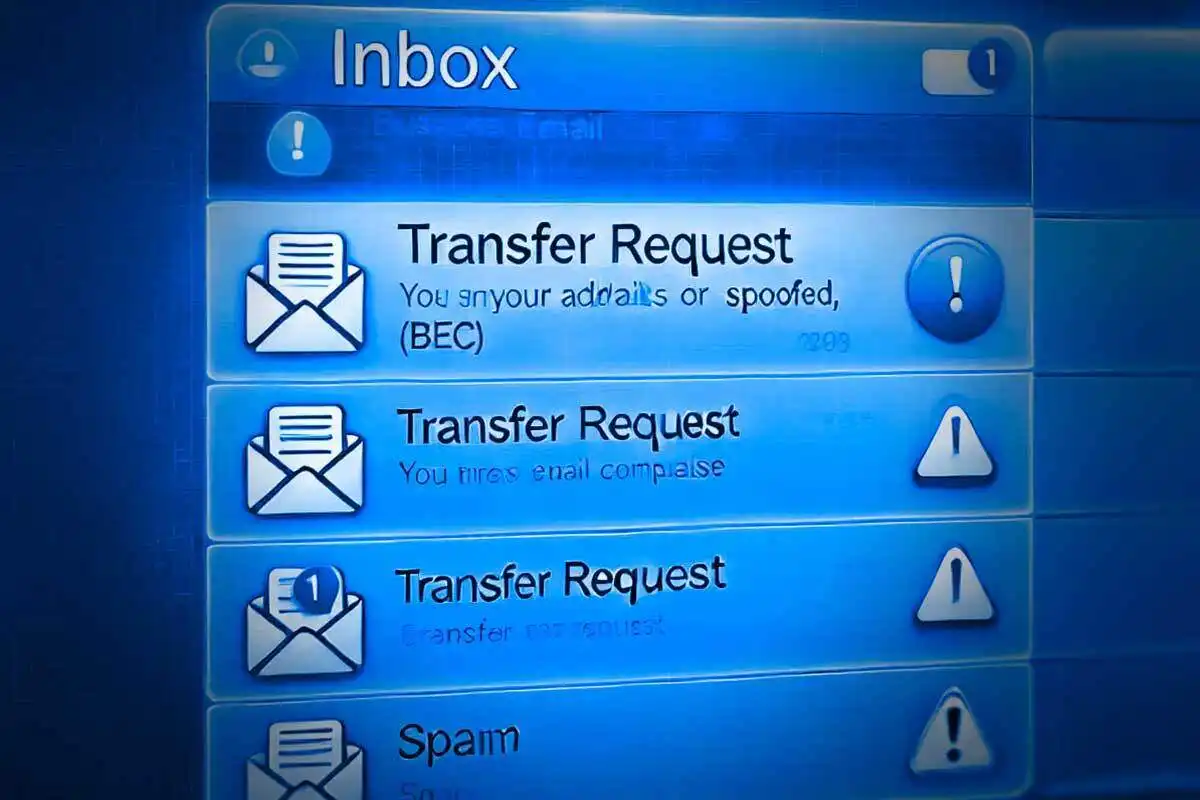
Business email compromise (BEC) attacks continue to plague organizations worldwide, with attackers increasingly relying on convincing impersonation rather than malware to trick employees into sending money or sharing sensitive information. According to recent reports, BEC attacks have resulted in billions of dollars being sent to cybercriminals each year, with the average loss per attack reaching $120,000. In response to this growing threat, experts are highlighting the importance of behavioral AI in detecting and responding to sophisticated threats.
What's Happening
BEC attacks have become a major concern for organizations due to their ability to bypass traditional email defenses. Unlike traditional phishing campaigns that rely on malicious links or attachments, BEC attacks often appear to originate from trusted colleagues, executives, vendors, or business partners. With AI now enabling attackers to generate more convincing emails, distinguishing legitimate business communications from malicious requests has become increasingly difficult.
According to a recent webinar hosted by BleepingComputer, modern BEC attacks exploit trust rather than software vulnerabilities. Attackers are using highly convincing emails designed to blend into normal business conversations, making it challenging for both employees and traditional email security tools to recognize these threats. The webinar will examine how modern phishing, BEC, and account takeover (ATO) attacks bypass traditional email defenses and how behavioral AI can help security teams detect and respond to increasingly sophisticated threats.
Background and Context
BEC attacks have been around for a while, but their sophistication has increased significantly in recent years. According to the FBI, business email compromise (BEC) attacks cost U.S. organizations $55 billion over a ten-year period from October 2013 to December 2023. The risk is only getting bigger, with attackers increasingly relying on convincing impersonation rather than malware to trick employees into sending money or sharing sensitive information.
Experts point out that BEC attacks often lack obvious indicators of compromise, making it challenging for security teams to detect these threats. As a result, security teams are frequently left manually investigating suspicious emails, validating requests, and responding only after an account has already been compromised or fraudulent communications have been sent.
Why It Matters
The adult industry is not immune to BEC attacks, which can have devastating consequences for organizations. With the rise of remote work and hybrid environments, the risk of BEC attacks has increased significantly. According to a recent report by Bitdefender, there are seven types of business email compromise attacks targeting organizations, including CEO fraud, account compromise, vendor impersonation, and more.
Experts emphasize that behavioral AI can help identify unusual communication patterns, automate investigations, and improve response efforts before fraudulent requests or compromised accounts lead to larger security incidents. By leveraging behavioral AI, organizations can reduce the risk of BEC attacks and protect their employees from these sophisticated threats.
What Comes Next
In response to the growing threat of BEC attacks, experts are highlighting the importance of behavioral AI in detecting and responding to sophisticated threats. Organizations are encouraged to adopt a proactive approach to security by leveraging behavioral AI to identify unusual communication patterns and automate investigations.
The webinar hosted by BleepingComputer will provide practical approaches for reducing manual investigations, detecting sophisticated impersonation attacks, and improving response times across modern email threats. By attending this webinar, organizations can learn how to better defend against increasingly sophisticated business email compromise attacks.
Key Facts
- BEC attacks have resulted in billions of dollars being sent to cybercriminals each year, with the average loss per attack reaching $120,000.
- The FBI reports that BEC attacks cost U.S. organizations $55 billion over a ten-year period from October 2013 to December 2023.
- There are seven types of business email compromise attacks targeting organizations, including CEO fraud, account compromise, vendor impersonation, and more.
- BEC attacks often lack obvious indicators of compromise, making it challenging for security teams to detect these threats.
- Behavioral AI can help identify unusual communication patterns, automate investigations, and improve response efforts before fraudulent requests or compromised accounts lead to larger security incidents.