The Indian quick-commerce market has become a battleground for e-commerce giants Flipkart and Amazon, as both companies accelerate their expansion of fast-delivery services in the country. According to recent reports, Flipkart has reached 1,000 micro-fulfillment centers in under two years, while Amazon is planning to expand its ultra-fast delivery service "Now" to 300 Indian cities from more than 15 currently.
The rapid expansion of quick-commerce services in India is driven by the growing demand for fast and convenient shopping experiences. With companies like Blinkit and Instamart already dominating the market, Flipkart and Amazon are racing to catch up and gain a significant share of the $11 billion sector. The competition has intensified in recent months, with both companies focusing on smaller cities and towns to expand their reach.
What Happened
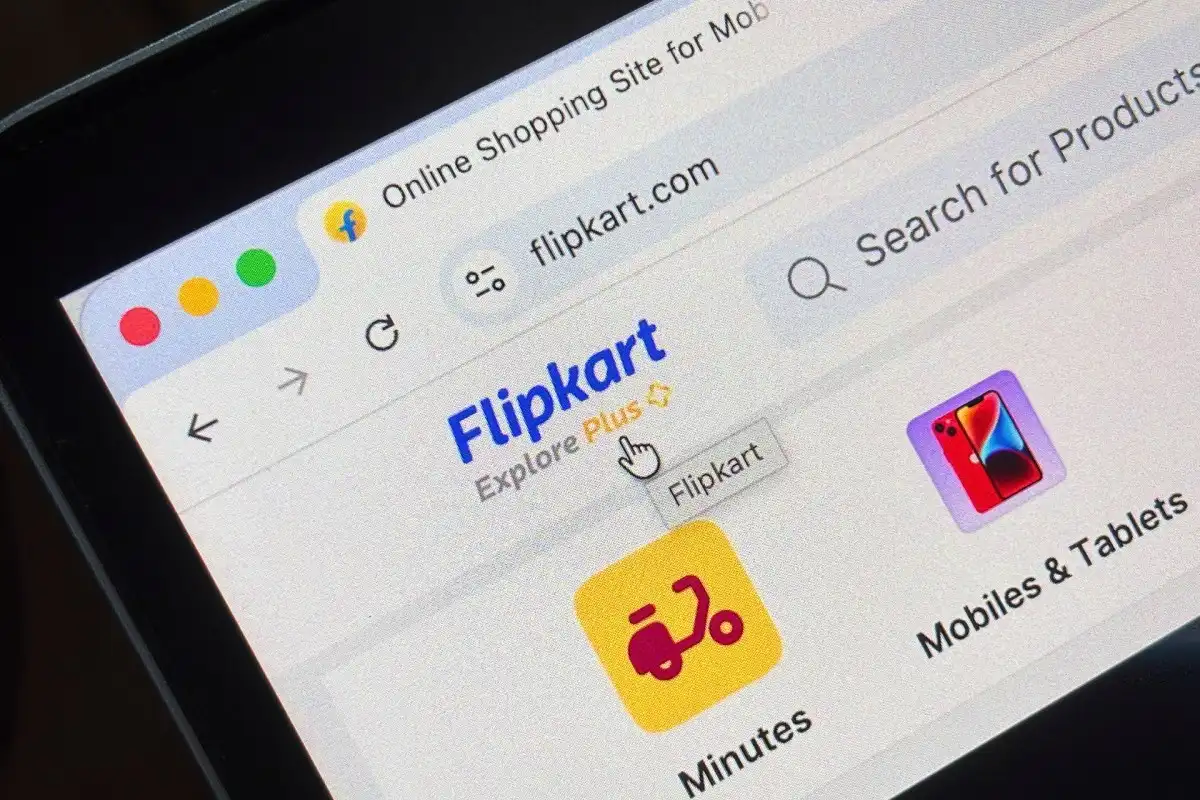
Flipkart's quick-commerce service, called Flipkart Minutes, was launched in August 2024 and has since expanded rapidly across India. According to the company, its store count has touched 1,000, but it plans to take it to 1,500 within months. Kunal Gupta, head of Flipkart "Minutes", said that the service is focusing more on smaller towns and cities, which make up 70% of its footprint of more than 130 cities.
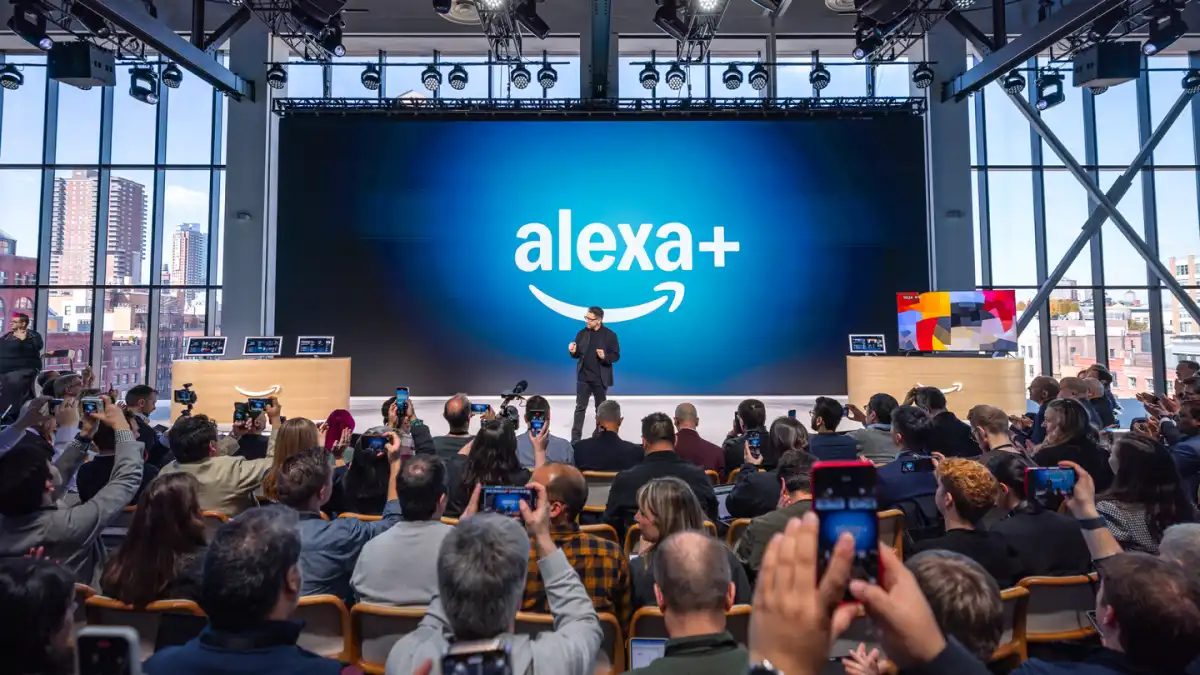
Amazon's ultra-fast delivery service "Now" has also been expanding rapidly in India. The company plans to expand its service to 300 Indian cities from more than 15 currently. According to data from Datum Intelligence, Amazon has around 500 micro-fulfillment centers in India, while Blinkit has over 2,200 stores and Instamart has more than 1,100.
Background and Context
The Indian quick-commerce market has been growing rapidly in recent years, driven by the increasing demand for fast and convenient shopping experiences. Companies like Blinkit and Instamart have already established themselves as leaders in the market, with a strong presence in smaller cities and towns.
Flipkart's entry into the quick-commerce market was seen as a significant development, given its existing e-commerce platform and logistics infrastructure. However, Amazon's expansion of its ultra-fast delivery service "Now" has added an extra layer of competition to the market.
Why it Matters
The rapid expansion of quick-commerce services in India is driven by the growing demand for fast and convenient shopping experiences. With companies like Blinkit and Instamart already dominating the market, Flipkart and Amazon are racing to catch up and gain a significant share of the $11 billion sector.
The competition has intensified in recent months, with both companies focusing on smaller cities and towns to expand their reach. According to Kunal Gupta, head of Flipkart "Minutes", people in smaller cities "build a slightly larger" average order value basket as they are value conscious.
What Comes Next
The competition between Flipkart and Amazon is expected to continue intensifying in the coming months. Both companies have announced plans to expand their quick-commerce services further, with Flipkart planning to reach 1,500 micro-fulfillment centers by the end of 2026.
According to a recent report, India's government has ordered companies to stop promoting their grocery deliveries as a "10-minute" service amid rider safety concerns. However, this is unlikely to slow down the growth of quick-commerce services in the country.
Key Facts
- Flipkart has reached 1,000 micro-fulfillment centers in under two years.
- Amazon plans to expand its ultra-fast delivery service "Now" to 300 Indian cities from more than 15 currently.
- Blinkit has over 2,200 stores and Instamart has more than 1,100 micro-fulfillment centers in India.
- Flipkart plans to take its store count to 1,500 within months.
- The Indian quick-commerce market is expected to reach $11 billion by the end of 2026.
The rapid expansion of quick-commerce services in India is driven by the growing demand for fast and convenient shopping experiences. With companies like Blinkit and Instamart already dominating the market, Flipkart and Amazon are racing to catch up and gain a significant share of the sector.