The US Supreme Court has ruled that law enforcement's use of geofence warrants requires constitutional privacy protections under the Fourth Amendment, limiting the government's ability to collect and access location data from third-party tech companies.
What Happened
In a 6-3 decision, Justice Elena Kagan wrote the majority opinion in the case of Chatrie v. US, which centered on the use of geofence warrants by law enforcement to track down an armed bank robber. The court ruled that the collection of location data through a geofence warrant implicates the Fourth Amendment's protections against unreasonable searches and seizures.
The majority opinion held that individuals have a reasonable expectation of privacy in records about their cell phone's location, even if they are in public areas. Kagan wrote that "an individual has a reasonable expectation of privacy in records about his cell phone's location, and police intrude on that constitutionally protected interest when they demand the information – even though for only a limited time, and from a third-party tech company."
Background and Context
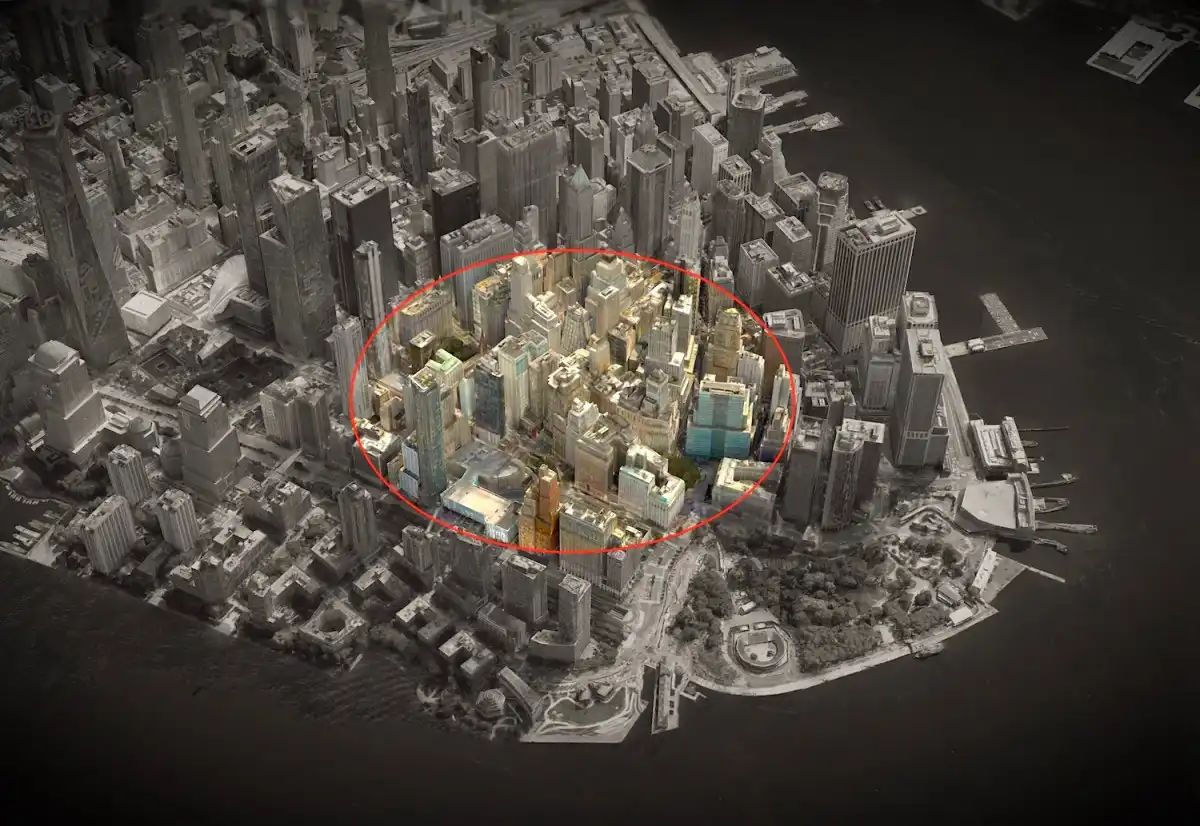
Geofence warrants allow law enforcement to compel tech companies to hand over sensitive cell phone data from people at or near crime scenes. The warrants are used to collect location data from individuals within the radius of a virtual "fence" during a particular timeframe, often without the user's knowledge or consent.
The use of geofence warrants has been criticized by privacy advocates and civil liberties groups, who argue that they are an unconstitutional dragnet that infringes on individuals' right to privacy. The Supreme Court's decision is seen as a significant victory for these groups, as it limits the government's ability to collect and access location data without a warrant.
Why It Matters to the Industry
The Supreme Court's ruling has significant implications for the adult industry, which relies heavily on online platforms and streaming services. The decision highlights the importance of protecting users' privacy and ensuring that law enforcement agencies do not abuse their power in collecting location data.
For adult-industry platform operators, this ruling means that they must take steps to protect users' location data and ensure that it is not shared with law enforcement without a warrant. This may involve implementing additional security measures, such as encryption or secure storage of user data, to prevent unauthorized access.
What Comes Next
The Supreme Court's decision does not ban the use of geofence warrants altogether, but rather requires authorities to obtain a narrowly tailored warrant before examining cellphone data of a broad swath of users in an area. This means that law enforcement agencies will need to demonstrate probable cause and obtain a warrant before collecting location data from third-party tech companies.
The ruling is likely to have far-reaching implications for the use of geofence warrants across the country, and may lead to changes in how law enforcement agencies collect and access location data. For adult-industry platform operators, this decision highlights the importance of prioritizing users' privacy and ensuring that their data is protected from unauthorized access.
Key Facts
- The US Supreme Court has ruled that geofence warrants require constitutional privacy protections under the Fourth Amendment.
- The majority opinion held that individuals have a reasonable expectation of privacy in records about their cell phone's location, even if they are in public areas.
- Geofence warrants allow law enforcement to compel tech companies to hand over sensitive cell phone data from people at or near crime scenes.
- The Supreme Court's decision limits the government's ability to collect and access location data without a warrant.
- Adult-industry platform operators must take steps to protect users' location data and ensure that it is not shared with law enforcement without a warrant.
The Supreme Court's ruling in Chatrie v. US has significant implications for the adult industry, highlighting the importance of protecting users' privacy and ensuring that law enforcement agencies do not abuse their power in collecting location data.