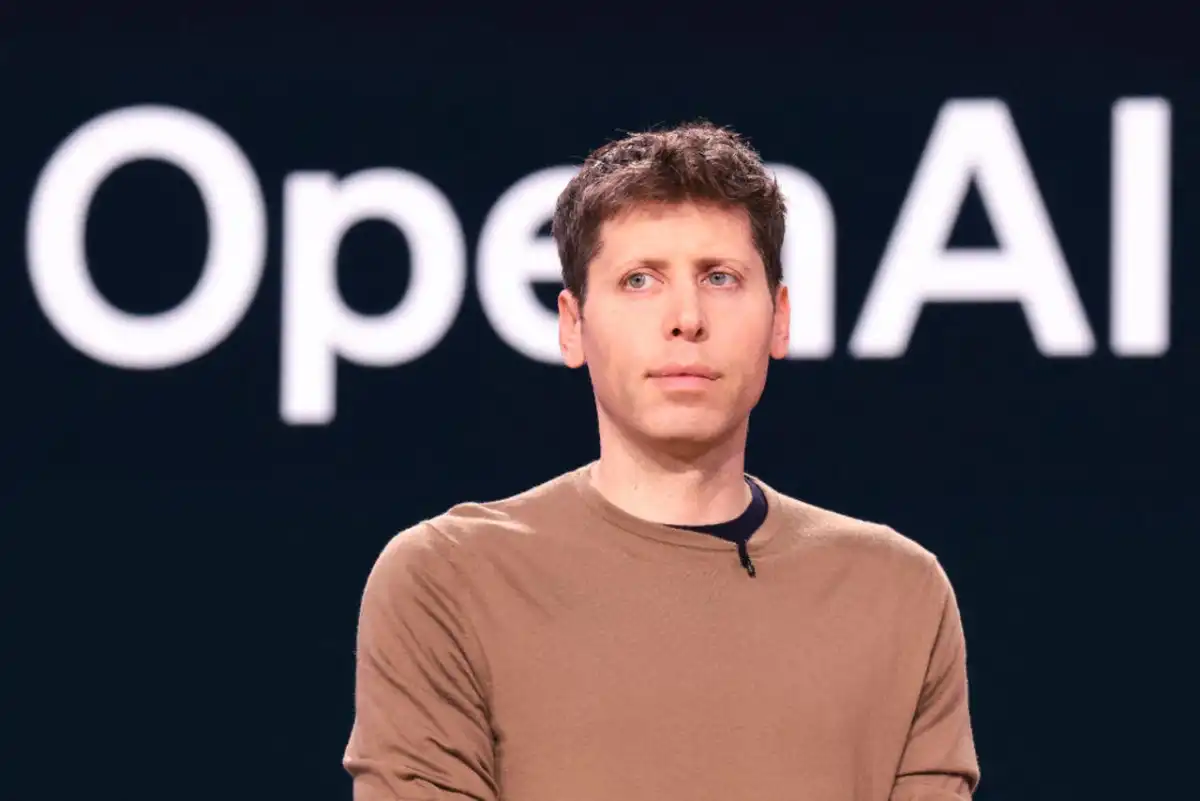
The OpenAI nonprofit has retained control of the company as it restructures into a public benefit corporation (PBC), bowing to pressure from civic leaders and AI researchers. This decision comes after months of controversy surrounding OpenAI's attempt to become a for-profit company, with some stakeholders pushing back against the move.
Background and Context
OpenAI was founded in 2015 as a nonprofit research lab with the goal of ensuring that artificial general intelligence (AGI) would benefit "all of humanity." Initially, the organization operated under its tax-exempt status as a 501(c)(3) charity. However, as OpenAI's ambitions grew and it began to develop more commercial products, such as the viral ChatGPT chatbot, the need for profit-minded investors became apparent.
In 2019, OpenAI formed a for-profit arm called OpenAI Limited Partnership (LP), which was described as a "capped-profit" company. This structure allowed investors and employees to see returns up to a certain capped amount, with any profits beyond that being funneled back into the nonprofit. However, this setup proved complex and led to multiple changes in the profit cap, eventually reducing it to "single digits" by 2021.
The company's corporate structure has become increasingly convoluted over time, with multiple LLCs and subsidiaries under its control. According to tax filings, OpenAI GP directly controlled OpenAI LP, which in turn controlled OpenAI, LLC. The addition of new entities, such as Aestas LP and OpenAI Holdings, has further complicated the picture.
Why it Matters to the Industry
The implications of OpenAI's restructuring are significant for the adult industry, particularly when it comes to issues like moderation, age-gating, and fraud. As a public benefit corporation, OpenAI will be required to prioritize its mission and ensure that AI benefits society as a whole. This shift in focus may lead to increased investment in initiatives aimed at promoting digital literacy, community innovation, and economic opportunity.
Moreover, the nonprofit's control over the company ensures that any profits generated by OpenAI's commercial products will be directed towards advancing its mission rather than solely benefiting investors or shareholders. This approach aligns with the values of many adult industry platforms and operators, who prioritize transparency, accountability, and community impact.
What Comes Next
The restructuring process is expected to continue, with OpenAI's nonprofit retaining a majority stake in the company. The organization has announced plans to launch a $50 million grant initiative aimed at empowering nonprofits and community organizations working on AI literacy and public understanding. This move demonstrates OpenAI's commitment to using its resources for the greater good.
As OpenAI navigates this new landscape, it will be interesting to see how the company balances its commercial ambitions with its nonprofit mission. The adult industry can learn from OpenAI's experience, particularly when it comes to finding innovative solutions to complex problems and prioritizing community impact over profit margins.
Key Facts
- OpenAI's nonprofit has retained control of the company as it restructures into a public benefit corporation (PBC).
- The PBC will be majority-owned by OpenAI's nonprofit, ensuring that profits are directed towards advancing its mission.
- OpenAI has announced plans to launch a $50 million grant initiative aimed at promoting AI literacy and community innovation.
- The company's corporate structure is complex, with multiple LLCs and subsidiaries under its control.
- OpenAI's restructuring process is expected to continue, with the nonprofit prioritizing its mission and ensuring that AI benefits society as a whole.
Conclusion
The OpenAI nonprofit's retention of control over the company marks an important milestone in the organization's evolution. As a public benefit corporation, OpenAI will be required to prioritize its mission and ensure that AI benefits society as a whole. The adult industry can learn from OpenAI's experience, particularly when it comes to finding innovative solutions to complex problems and prioritizing community impact over profit margins.