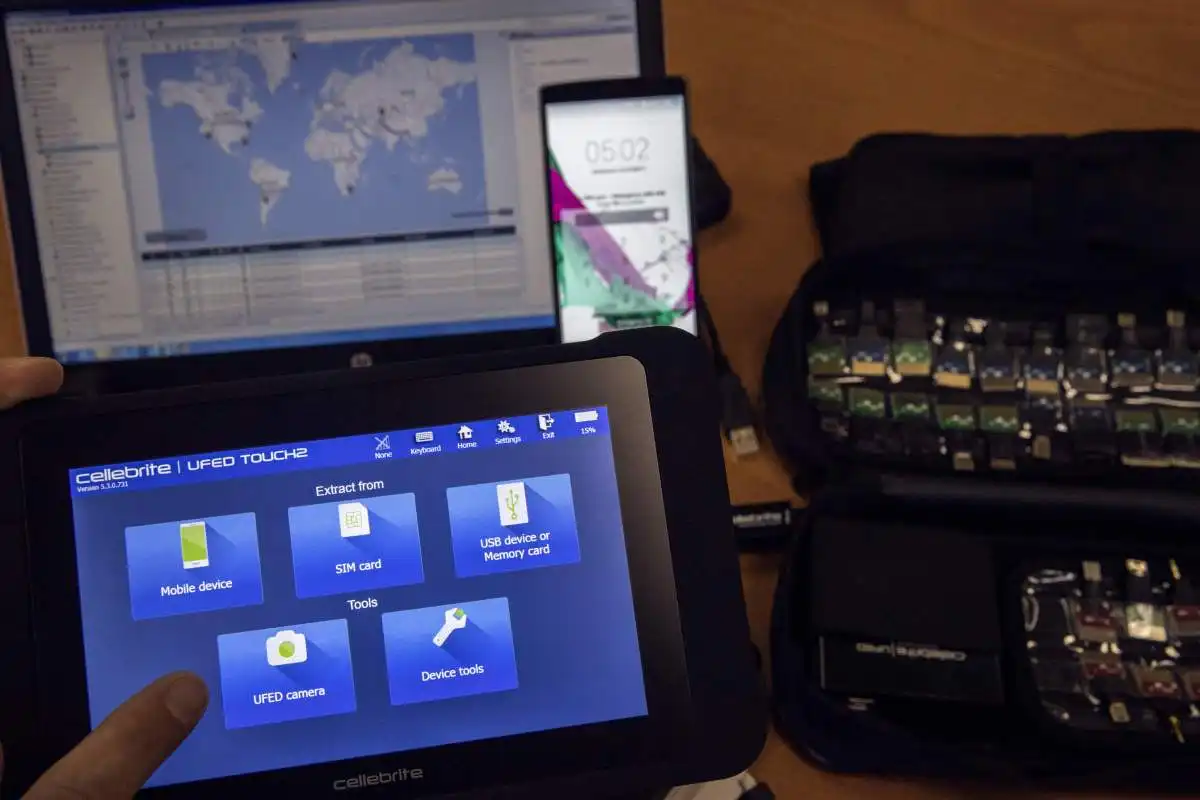
The Israeli surveillance company Cellebrite has faced renewed scrutiny after a report revealed that Russian authorities used its phone-cracking tools to hack into the iPhone of a prominent opposition politician, despite the company's claims to have cut ties with Moscow. The incident highlights the challenges of controlling where and how surveillance technologies are used once they're sold to governments.
The Citizen Lab, a digital rights group at the University of Toronto, discovered that Russian investigators used Cellebrite's Universal Forensic Extraction Device (UFED) to access the iPhone of Andrey Pivovarov in June 2021. This was three months after Cellebrite announced it would stop selling its technology to Russian government customers.
Background and Context
Cellebrite has been at the center of controversy over its sales of surveillance technologies to governments worldwide, including those with questionable human rights records. In 2021, the company faced backlash after it was revealed that Russian authorities had used Cellebrite's tools to raid the phone of Lyubov Sobol, a prominent opposition figure and ally of Alexander Navalny.
At the time, Cellebrite announced that it would stop providing hardware and software to Russia, citing concerns over human rights abuses. However, the company claimed that it could still remotely disable its devices and prevent them from functioning or receiving updates. The incident in June 2021 suggests that this may not have been the case.
Why It Matters to the Industry
The Cellebrite case raises important questions about the accountability of technology companies when their products are used for surveillance and human rights abuses. As the adult industry continues to rely on sophisticated technologies to manage its operations, it's essential that platform operators and developers understand the risks associated with these tools.
Surveillance technologies like Cellebrite's UFED can be powerful weapons in the wrong hands, allowing governments to bypass security measures and access sensitive information. The incident highlights the need for companies to implement robust controls and safeguards to prevent their products from being used for malicious purposes.
The Challenges of Controlling Surveillance Technologies
The Cellebrite case is not an isolated incident. Researchers have documented similar cases where surveillance technologies have been used by governments to target dissidents, activists, and journalists. The challenges of controlling these tools are complex and multifaceted, involving issues of export controls, licensing, and product design.
As the adult industry continues to evolve, it's essential that platform operators and developers prioritize transparency and accountability when it comes to surveillance technologies. This includes implementing robust age-gating measures, ensuring that user data is protected, and providing clear guidelines for content moderation.
What Comes Next
The Cellebrite case has sparked renewed calls for greater regulation of the surveillance technology industry. As governments and companies grapple with the challenges of controlling these tools, it's essential that platform operators and developers prioritize transparency and accountability.
Citizen Lab researchers have called on Cellebrite to implement a mechanism to remotely "brick" its devices, making them inoperable even if they fall into the wrong hands. This would help prevent surveillance technologies from being used for malicious purposes and reduce the risk of human rights abuses.
Key Facts
- Cellebrite announced it would stop selling its technology to Russian government customers in March 2021.
- The company claimed it could remotely disable its devices and prevent them from functioning or receiving updates.
- Russian authorities used Cellebrite's UFED to access the iPhone of Andrey Pivovarov in June 2021, three months after the company announced it would stop selling to Russia.
- Cellebrite has faced criticism for its sales of surveillance technologies to governments with questionable human rights records.
- Researchers have documented similar cases where surveillance technologies have been used by governments to target dissidents, activists, and journalists.
The Cellebrite case highlights the challenges of controlling surveillance technologies once they're sold to governments. As the adult industry continues to rely on these tools, it's essential that platform operators and developers prioritize transparency and accountability.