The Android TV streaming box market has been flooded with devices promising unlimited access to thousands of channels for a one-time fee, but security experts warn that some of these boxes may secretly be part of a botnet, forcing users' networks to relay Internet traffic for others tied to cybercrime activity. Superbox, a popular brand in this market, has been found to require intrusive software that enables the streaming of unauthorized content, while also contacting servers tied to Tencent's QQ messaging service and a residential proxy service called Grass.
These devices, which can be purchased at major retailers like BestBuy and Walmart for around $400, seem like an attractive option for those looking to cut their cable or satellite TV bills. However, the reality is that these boxes are often used as part of larger networks used for shady online activity, including ad fraud and account takeovers.
What Happened?
According to an investigation by Krebs on Security, media streaming devices like Superbox don't behave like ordinary media streamers once they're connected to a user's network. Researchers closely examined the SuperBox device, which is an Android-based streaming box sold through third-party sellers on major retail platforms. On paper, SuperBox markets itself as just hardware, claiming it doesn't pre-install pirated apps and insisting users are responsible for what they install.
However, to unlock the thousands of channels SuperBox advertises, users must first remove Google's official app ecosystem and replace it with an unofficial app store. This step alone should raise eyebrows, as it allows the device to bypass security measures and enable the streaming of unauthorized content. Once those custom apps are installed, the device doesn't just stream video but also begins routing internet traffic through third-party proxy networks.
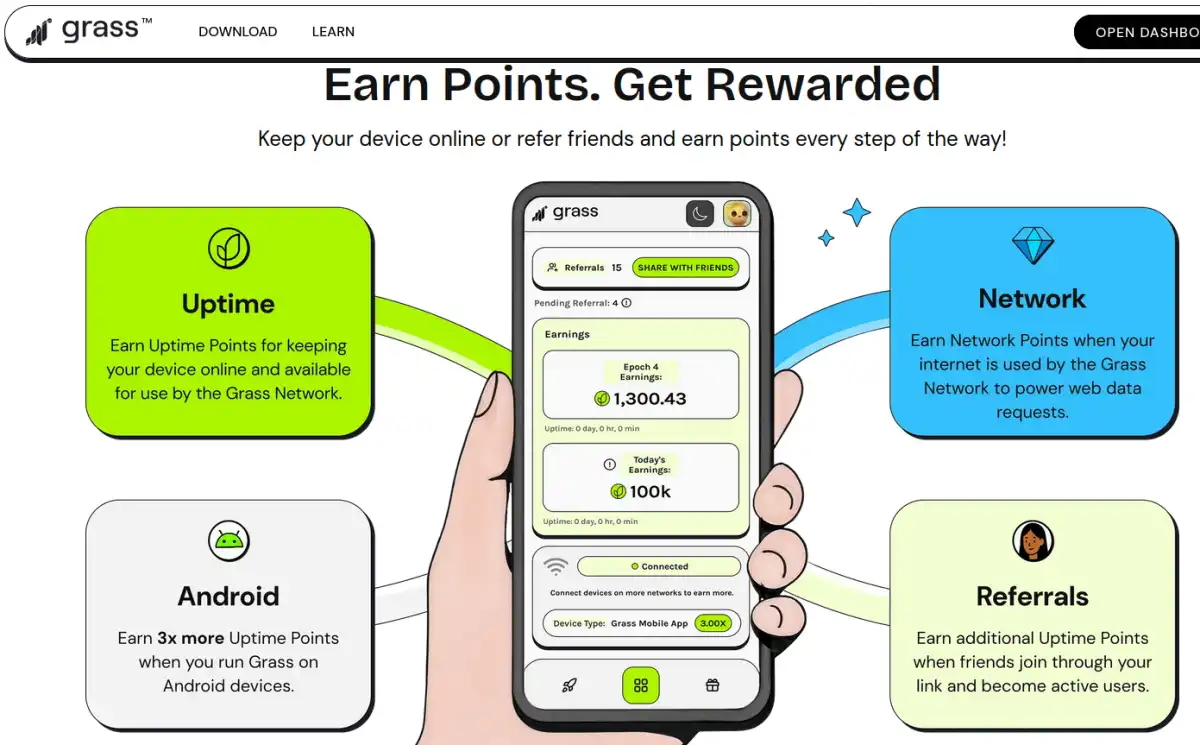
During testing by Censys, a cyber intelligence company that tracks internet-connected devices, SuperBox models immediately contacted servers tied to Tencent's QQ messaging service and a residential proxy service called Grass. This means that users' home internet connections may be used to relay traffic for other people, including ad fraud, credential stuffing attempts, and large-scale web scraping.
Background and Context
The Android TV streaming box market has been growing rapidly in recent years, with many devices being sold through third-party sellers on major retail platforms. These devices often promise unlimited access to thousands of channels for a one-time fee, making them an attractive option for those looking to cut their cable or satellite TV bills.
However, the reality is that these boxes are often used as part of larger networks used for shady online activity. In July 2025, Google filed a "John Doe" lawsuit against 25 unidentified defendants dubbed the "BadBox 2.0 Enterprise," which described a botnet of over ten million Android streaming devices engaging in advertising fraud.
Similarly, the FBI warned in June 2025 that cyber criminals were gaining unauthorized access to home networks by configuring products with malicious software prior to purchase or infecting devices as they downloaded required applications. The FBI said that once these compromised IoT devices are connected to home networks, they can become part of the BADBOX 2.0 botnet and residential proxy services used for malicious activity.
Why It Matters to the Industry
The Android TV streaming box market is not unique to the adult industry, but the implications of these devices are significant for any platform or operator that relies on internet connectivity. The use of these devices as part of larger networks used for shady online activity can compromise user data and put platforms at risk of being associated with malicious activity.
Furthermore, the fact that some of these devices require intrusive software to enable streaming of unauthorized content raises concerns about copyright law and the potential for legal action against users. This is particularly relevant in the adult industry, where strict regulations around age verification and content moderation are already in place.
What Comes Next?
The investigation into SuperBox and other Android TV streaming boxes has raised important questions about the security and integrity of these devices. As the adult industry continues to rely on internet connectivity for its platforms, it is essential that operators prioritize user data protection and take steps to prevent their networks from being compromised by malicious activity.
Key Facts
- Superbox media streaming boxes require intrusive software to enable streaming of unauthorized content.
- The devices contact servers tied to Tencent's QQ messaging service and a residential proxy service called Grass.
- Users' home internet connections may be used to relay traffic for other people, including ad fraud, credential stuffing attempts, and large-scale web scraping.
- Google filed a "John Doe" lawsuit against 25 unidentified defendants dubbed the "BadBox 2.0 Enterprise," which described a botnet of over ten million Android streaming devices engaging in advertising fraud.
- The FBI warned that cyber criminals were gaining unauthorized access to home networks by configuring products with malicious software prior to purchase or infecting devices as they downloaded required applications.