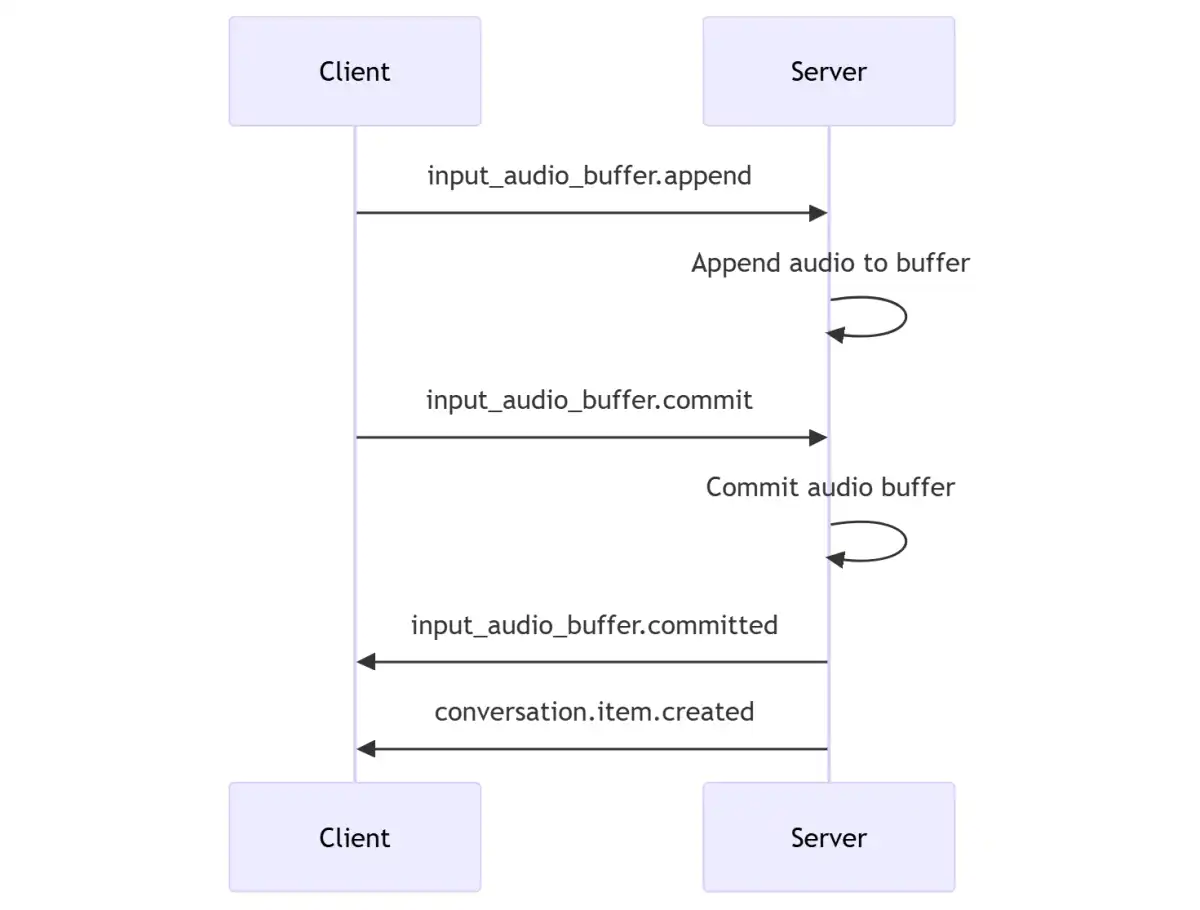
The adult industry has been abuzz with the recent release of OpenAI's GPT-Realtime model and API, which promises to revolutionize real-time text and audio interactions. This new model, capable of handling inputs and outputs in real-time over WebRTC, WebSocket, or SIP connections, is set to transform the way platforms and operators interact with users.
The GPT-Realtime model is a significant upgrade from its predecessor, offering improved performance, speed, and pricing. With a 32,000 context window and 4,096 max output tokens, this model is designed for low-latency conversational interactions, making it an ideal fit for applications involving live user-model interactions.
The Realtime API, which supports the GPT-Realtime model, has also been updated with new capabilities, including image inputs, connecting to remote MCP servers, and SIP phone-calling. This expanded functionality is set to enable developers to build more sophisticated voice agents and interactive experiences.
What Happened
The release of GPT-Realtime marks a significant milestone in the development of OpenAI's language models. The model was first introduced on August 28, 2025, during a live stream event hosted by OpenAI. During this event, developers and engineers showcased the capabilities of the new model, highlighting its potential for real-time text and audio interactions.
The GPT-Realtime model is part of OpenAI's GPT-4o model family, which supports low-latency, "speech in, speech out" conversational interactions. This model has been developed in close collaboration with customers, who have evaluated its performance on real-world use cases such as customer support, personal assistance, and education.
The Realtime API, which supports the GPT-Realtime model, is designed to handle real-time, low-latency conversational interactions. It's a great fit for use cases involving live interactions between a user and a model, such as customer support agents, voice assistants, and real-time translators.
Background and Context
The development of GPT-Realtime has been driven by the growing demand for more sophisticated language models that can handle complex tasks in real-time. The adult industry, in particular, has been at the forefront of this trend, with many platforms and operators seeking to leverage AI-powered chatbots and voice assistants to enhance user experiences.
The GPT-Realtime model is a significant upgrade from its predecessor, offering improved performance, speed, and pricing. With a 32,000 context window and 4,096 max output tokens, this model is designed for low-latency conversational interactions, making it an ideal fit for applications involving live user-model interactions.
The Realtime API, which supports the GPT-Realtime model, has also been updated with new capabilities, including image inputs, connecting to remote MCP servers, and SIP phone-calling. This expanded functionality is set to enable developers to build more sophisticated voice agents and interactive experiences.
Why it Matters
The release of GPT-Realtime marks a significant milestone in the development of OpenAI's language models. The model's ability to handle real-time text and audio interactions has far-reaching implications for the adult industry, where platforms and operators are constantly seeking ways to enhance user experiences.
The GPT-Realtime model is set to transform the way platforms and operators interact with users, enabling more sophisticated voice agents and interactive experiences. This, in turn, is expected to drive growth and innovation in the adult industry, as developers and engineers seek to leverage the capabilities of this new model.
What Comes Next
The release of GPT-Realtime marks just the beginning of a new era in language modeling. As developers and engineers begin to explore the capabilities of this new model, we can expect to see a wave of innovation and growth in the adult industry.
The Realtime API, which supports the GPT-Realtime model, is set to become an essential tool for developers and engineers seeking to build more sophisticated voice agents and interactive experiences. With its expanded functionality and improved performance, this API is poised to revolutionize the way platforms and operators interact with users.
Key Facts
- The GPT-Realtime model is a significant upgrade from its predecessor, offering improved performance, speed, and pricing.
- The model has a 32,000 context window and 4,096 max output tokens, making it ideal for low-latency conversational interactions.
- The Realtime API supports the GPT-Realtime model and has been updated with new capabilities, including image inputs, connecting to remote MCP servers, and SIP phone-calling.
- The GPT-Realtime model is part of OpenAI's GPT-4o model family, which supports low-latency, "speech in, speech out" conversational interactions.
- The Realtime API is designed to handle real-time, low-latency conversational interactions and is a great fit for use cases involving live interactions between a user and a model.