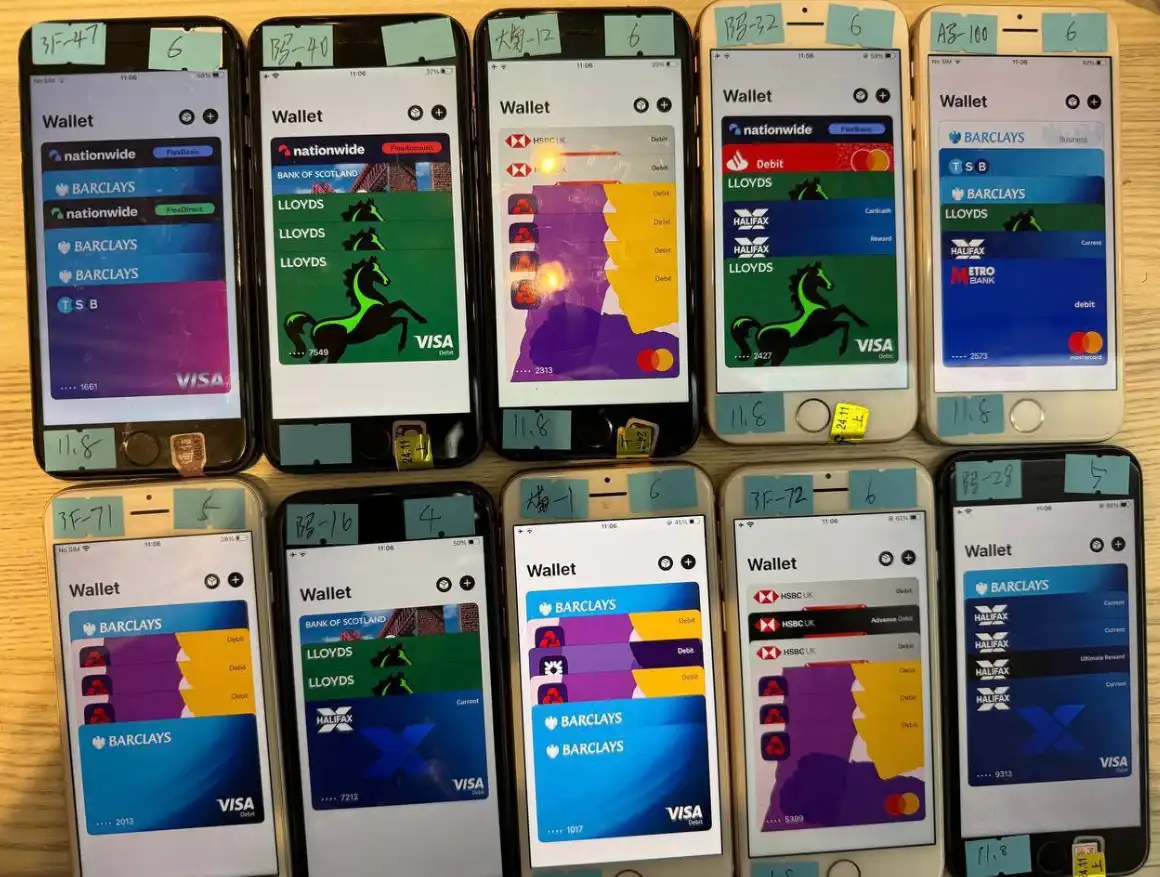
The ongoing cat-and-mouse game between Anthropic and Chinese users has reached a new level of sophistication, with the emergence of transfer stations that act as intermediaries to access the company's AI models. Despite Anthropic's efforts to restrict access through geolocation and identity verification, Chinese users have found ways to bypass these measures, creating a thriving underground economy for Claude access.
Anthropic has taken aggressive steps to prevent unauthorized access to its AI models, including banning accounts suspected of being owned by people in China. However, the company's safeguards have often failed, allowing Chinese users to continue accessing Claude through various workarounds. These include using virtual private networks (VPNs), foreign phone numbers, and international payment methods to create and maintain their accounts.
What Happened
In recent months, Anthropic has tightened its restrictions on sales to unsupported regions, including China. The company's updated Terms of Service prohibit companies or organizations whose ownership structures subject them to control from jurisdictions where its products are not permitted, such as China. This includes entities that are more than 50% owned, directly or indirectly, by companies headquartered in restricted regions.
Anthropic has also accused three Chinese AI firms - DeepSeek, Moonshot AI, and MiniMax - of using its Claude chatbot on a massive scale to secretly train rival models through the technique known as "distillation." The company claims that these labs generated over 16 million exchanges with Claude through approximately 24,000 fraudulent accounts, in violation of its terms of service and regional access restrictions.
Background and Context
The issue of Chinese users accessing Western AI tools has been a long-standing one. Despite Anthropic's efforts to restrict access, Chinese users have found ways to bypass these measures through various workarounds. This includes using transfer stations that act as intermediaries to access the company's AI models.
Anthropic has argued that subsidiaries incorporated in other countries cannot fully escape the pressures of complying with authoritarian regimes' demands for data and cooperation. The company has also expressed concern that restricted entities could use Claude models to advance their own AI development through techniques like distillation, potentially competing with trusted technology companies in the United States and allied nations.
Why It Matters to the Industry
The ongoing struggle between Anthropic and Chinese users highlights the challenges faced by adult-industry platforms and operators when it comes to accessing Western AI tools. The emergence of transfer stations has created a new level of complexity, with implications for latency, scale, moderation, age-gating, fraud, and privacy.
For adult-industry platforms and operators, the ability to access Western AI tools is crucial for providing high-quality services to their users. However, the restrictions imposed by companies like Anthropic create a barrier to entry, making it difficult for Chinese users to access these tools. This has led to the development of workarounds, including transfer stations, which can compromise security and create new challenges for moderation and age-gating.
What Comes Next
The ongoing cat-and-mouse game between Anthropic and Chinese users is likely to continue, with each side finding ways to outsmart the other. The emergence of transfer stations has created a new level of complexity, with implications for latency, scale, moderation, age-gating, fraud, and privacy.
For adult-industry platforms and operators, it is essential to stay informed about the latest developments in this area and to adapt their strategies accordingly. This may involve exploring alternative AI tools or developing their own solutions to address the challenges posed by Western AI restrictions.
Key Facts
- Anthropic has tightened its restrictions on sales to unsupported regions, including China.
- The company's updated Terms of Service prohibit companies or organizations whose ownership structures subject them to control from jurisdictions where its products are not permitted.
- Anthropic has accused three Chinese AI firms - DeepSeek, Moonshot AI, and MiniMax - of using its Claude chatbot on a massive scale to secretly train rival models through the technique known as "distillation."
- The company claims that these labs generated over 16 million exchanges with Claude through approximately 24,000 fraudulent accounts.
- Anthropic has expressed concern that restricted entities could use Claude models to advance their own AI development through techniques like distillation.