The Canadian Security Intelligence Service (CSIS) has made headlines with its unprecedented use of a threat reduction warrant to neutralize two foreign-operated botnets compromising servers, home routers, and IoT devices across Canada. This landmark operation sets a new precedent in cyber defense, highlighting the evolving landscape of cyber threats and the necessity for intelligence agencies to adopt proactive measures.
The Federal Court released a public version of the ruling on June 15, marking the first instance in which CSIS has employed its threat reduction warrant powers in this manner. The warrant authorized CSIS to modify, degrade, and eliminate botnet data on compromised devices, effectively severing their connections to the networks.
What Happened
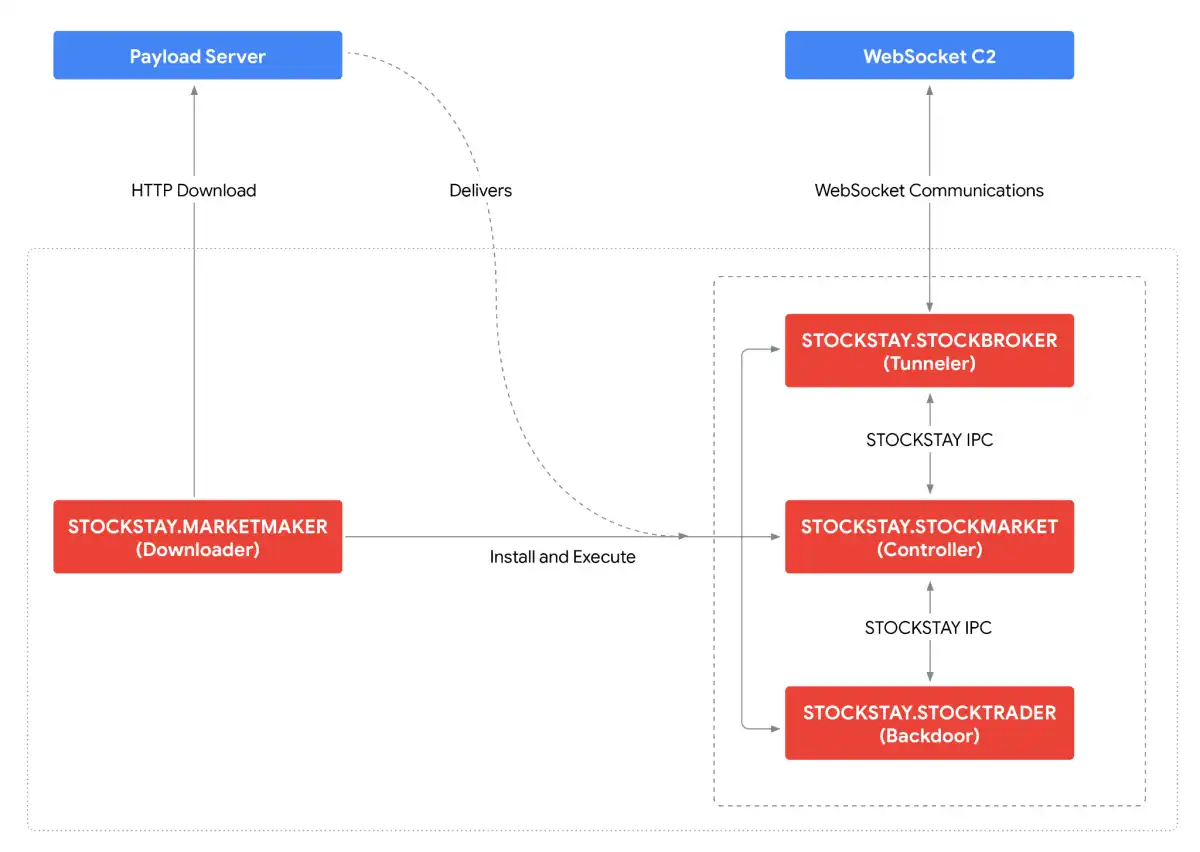
The operation targeted a range of devices, including Ring doorbells, security cameras, and Wi-Fi-enabled appliances, to mitigate potential threats to critical infrastructure and national security. The two botnets operated using a standard relay structure, where a command tier issued directives, and a layer of infected devices relayed traffic.
By routing through compromised Canadian hardware, foreign entities could disguise their activities as legitimate connections, potentially probing critical infrastructure, government systems, and military networks. This situation leaves the owners of infected devices, such as smart doorbells, inadvertently responsible for traffic they did not generate.
Background and Context
The Canadian Security Intelligence Service (CSIS) obtained a warrant to neutralize two foreign-operated botnets that had infected servers, home routers, and IoT devices across Canada. This unprecedented legal authorization allowed CSIS to alter, degrade, and destroy malicious data on compromised devices, effectively severing their connection to the botnet networks.
The operation targeted a range of devices, including Ring doorbells, security cameras, and Wi-Fi-enabled appliances, to mitigate potential threats to critical infrastructure and national security. The two botnets operated using a standard relay structure, where a command tier issued directives, and a layer of infected devices relayed traffic.
The court specifically highlighted the energy sector as a potential target for these botnets, emphasizing the need for proactive measures to protect critical infrastructure. This situation leaves the owners of infected devices, such as smart doorbells, inadvertently responsible for traffic they did not generate.
Why it Matters to the Industry
This case sets a precedent for future cyber defense operations, highlighting the importance of balancing national security interests with individual privacy rights. The increasing sophistication of cyber threats necessitates proactive measures by intelligence agencies to protect national security and critical infrastructure.
The use of threat reduction warrants in this operation demonstrates the evolving landscape of cyber threats and the necessity for intelligence agencies to adopt proactive measures. This case underscores the importance of balancing security interests with individual privacy rights, a challenge that is also relevant to the adult industry's own cybersecurity concerns.
What Comes Next
The court determined that the threat to Canada was both clearly established and imminent. It deemed the measures taken by CSIS as necessary, reasonable, and proportional, emphasizing that the operation targeted devices rather than individuals. No user identities were sought, no content was intercepted, and any personal data inadvertently collected was destroyed.
The operation highlights the need for proactive measures to protect critical infrastructure and national security. This case sets a precedent for future cyber defense operations, highlighting the importance of balancing national security interests with individual privacy rights.
Key Facts
- The Canadian Security Intelligence Service (CSIS) obtained a warrant to neutralize two foreign-operated botnets that had infected servers, home routers, and IoT devices across Canada.
- The operation targeted a range of devices, including Ring doorbells, security cameras, and Wi-Fi-enabled appliances, to mitigate potential threats to critical infrastructure and national security.
- The two botnets operated using a standard relay structure, where a command tier issued directives, and a layer of infected devices relayed traffic.
- The court specifically highlighted the energy sector as a potential target for these botnets, emphasizing the need for proactive measures to protect critical infrastructure.
- No user identities were sought, no content was intercepted, and any personal data inadvertently collected was destroyed.