The European Union's financial sanctions against Stark Industries Solutions Ltd., a notorious bulletproof hosting provider, have been found to be largely ineffective in disrupting its operations. According to a recent report from Recorded Future, Stark rebranded and transferred its assets to other corporate entities controlled by its original hosting providers, allowing it to continue providing services under new legal and network entities.
Stark Industries Solutions emerged just two weeks before Russia invaded Ukraine in 2022 and quickly became a top source of Kremlin-linked cyberattacks and disinformation campaigns. The company's rebranding efforts were likely an attempt to obfuscate ownership and sustain hosting services, as Recorded Future observed.
Background and Context
Stark Industries Solutions was initially linked to Russia's hybrid warfare efforts through its Moldovan-based PQ Hosting subsidiary and owners Yuri and Ivan Neculiti. The EU Commission sanctioned PQ Hosting and the Neculiti brothers in May 2025, but it appears that Stark simply rebranded and transferred its assets to other corporate entities.
One of these entities is WorkTitans BV, a Dutch company that took control of Stark's operations on June 24, 2025. The Neculiti brothers reportedly received a heads-up about the sanctions announcement 12 days prior, allowing them to prepare for the transition. As a result, much of Stark's address space and resources were moved to PQ Hosting Plus S.R.L., a new company in Moldova linked to the Neculiti brothers.
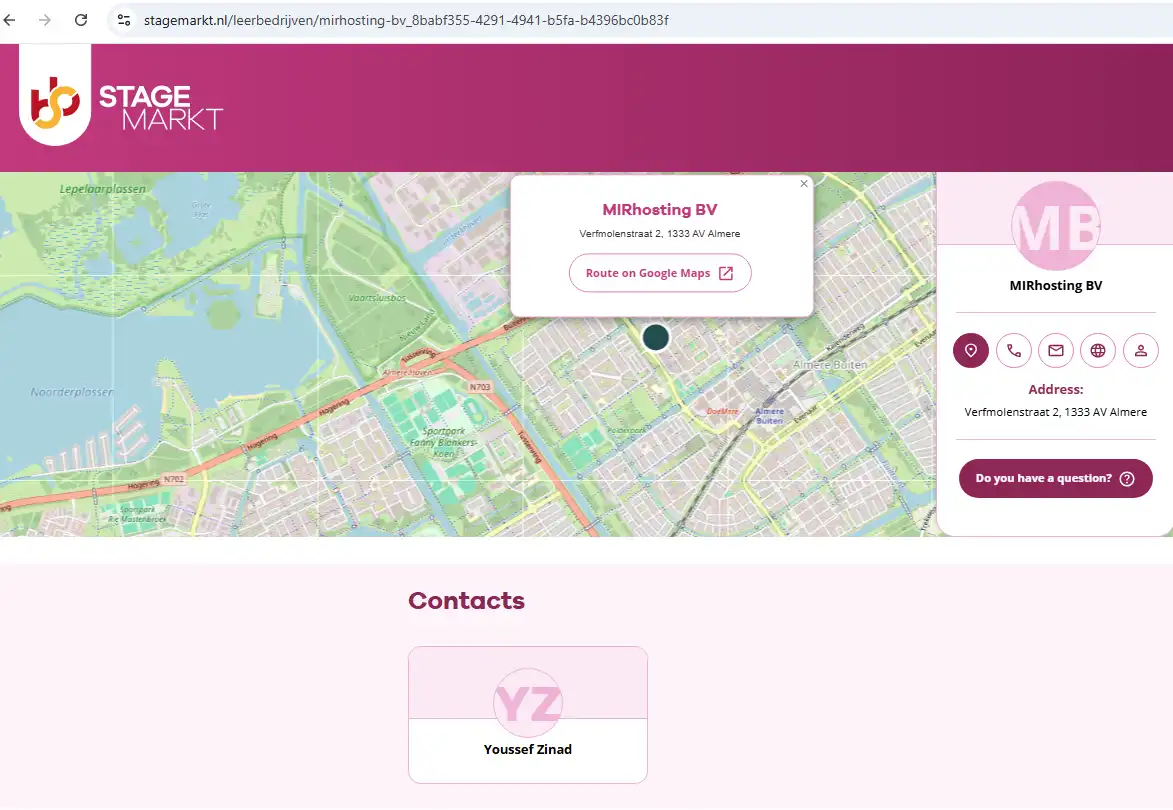
However, this is not the only critical pillar of Stark's network. KrebsOnSecurity identified MIRhosting, a Netherlands-based hosting provider operated by Andrey Nesterenko, as another key component of Stark's infrastructure. DomainTools shows that mirhosting.com is registered to Mr. Nesterenko and Innovation IT Solutions Corp, which lists addresses in London and Nesterenko's hometown of Nizhny Novgorod, Russia.
Why it Matters to the Industry
The rebranding efforts by Stark Industries Solutions highlight the challenges faced by regulators and industry players in disrupting the operations of bulletproof hosting providers. These companies often cultivate a reputation for ignoring abuse complaints or police inquiries, making them attractive to malicious actors.
The fact that Stark was able to rebrand and continue operating under new entities raises concerns about the effectiveness of sanctions and regulatory efforts. It also underscores the need for industry players to be vigilant in monitoring their supply chains and ensuring that they are not inadvertently supporting malicious activities.
What Comes Next
The Recorded Future report highlights the difficulties faced by regulators in disrupting the operations of bulletproof hosting providers. The EU's sanctions against Stark Industries Solutions were largely ineffective, as the company simply rebranded and transferred its assets to other corporate entities.
This development underscores the need for industry players to be proactive in addressing these challenges. By working together with regulatory bodies and implementing robust security measures, companies can help prevent malicious activities and ensure a safer online environment.
Key Facts
- The European Union sanctioned Stark Industries Solutions Ltd., a notorious bulletproof hosting provider, in May 2025.
- Stark rebranded and transferred its assets to other corporate entities controlled by its original hosting providers.
- The Neculiti brothers, owners of PQ Hosting, received a heads-up about the sanctions announcement 12 days prior.
- MIRhosting, a Netherlands-based hosting provider operated by Andrey Nesterenko, is another critical pillar of Stark's network.
- DomainTools shows that mirhosting.com is registered to Mr. Nesterenko and Innovation IT Solutions Corp.
- The EU's sanctions against Stark were largely ineffective in disrupting its operations.
The story of Stark Industries Solutions highlights the complexities of regulating bulletproof hosting providers and the challenges faced by industry players in addressing these issues. By understanding the background and context of this case, companies can better navigate the regulatory landscape and ensure a safer online environment for all stakeholders.