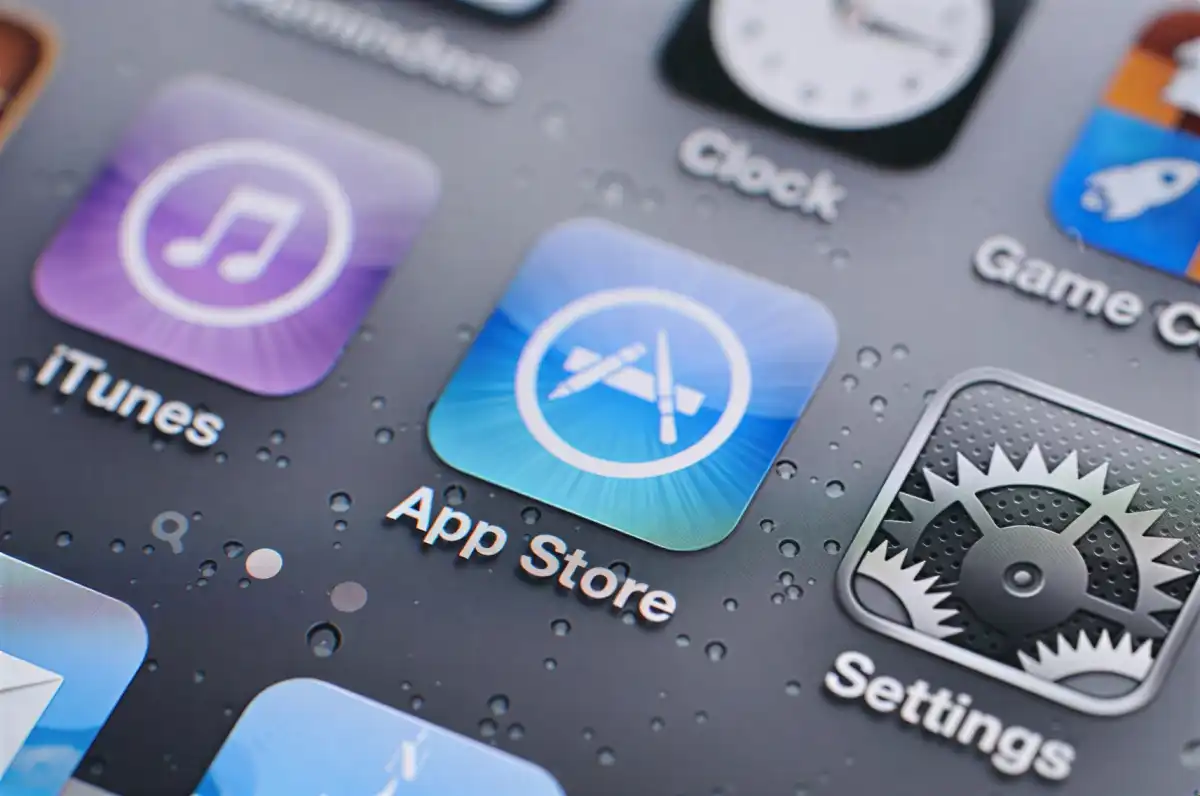
The tech giant Apple has announced that it will open its App Store to new competition in Brazil, allowing developers to distribute their iOS apps through alternative app stores and process payments for digital goods and services outside the App Store. This move comes after months of negotiations with local regulators and is set to be fully implemented by July 2026.
The decision reflects similar concessions Apple has made in places like the European Union and Japan, where it was forced to loosen its grip on the iOS experience due to regulatory pressure. By allowing alternative app marketplaces and external payment processing, Brazilian developers will have more operational flexibility and potentially lower commission fees, as long as they navigate the new regulations.
However, this shift also brings new complexities around platform security. To keep users safe, Apple plans to implement a mandatory notarization process for all apps distributed outside its main store, ensuring that even third-party software meets basic privacy and security standards similar to those in place for macOS.
What Happened
The policy update is part of an agreement with Brazil's competition regulator, the Conselho Administrativo de Defesa Econômica (CADE), which has played a vital role in advocating for a more open digital ecosystem. This organization prompted Apple to revise its developer license agreements to include the Core Technology Commission (CTC) fee structure, designed to balance developer independence with Apple's need to maintain a viable business model for its proprietary platform.
The CTC fee structure is similar to what was introduced in the European Union earlier this year. It applies to apps distributed from the App Store, via the web, and/or alternative marketplaces, and developers will need to agree to the latest update of the license agreement by July 6, 2026.
The move toward alternative marketplaces in Brazil shows that regulatory pressure is increasingly guiding Apple's global software strategy. This shift mirrors the changes Apple had to implement in South Korea and Japan when regulators started taking a closer look at its business practices.
Background and Context
Brazil has been intensifying its scrutiny of Big Tech companies, and instead of waiting for new legislation, Apple is making these changes now. This mirrors the strategy it used in other markets where regulators started taking a closer look. The country has been a key growth market for Apple in Latin America, and this decision reflects the company's efforts to adapt to local regulations while keeping user security in mind.
The policy update also includes new protections, including a notarization process for iOS apps distributed outside the App Store, authorization requirements for alternative app marketplaces, and other rules designed to protect children from inappropriate content and scams. Apple has updated Attachment 12 of its Apple Developer Program License Agreement to specify terms for iOS apps in Brazil, which will use the CTC fee structure.
Why It Matters
This decision has significant implications for the adult industry, where platform security and moderation are critical concerns. The introduction of alternative app marketplaces and external payment processing could lead to a wider range of apps and payment methods available to users in Brazil, potentially benefiting developers who have hesitated to create iOS apps due to Apple's commission fees.
However, the shift also brings new complexities around platform security. To keep users safe, Apple plans to implement a mandatory notarization process for all apps distributed outside its main store, ensuring that even third-party software meets basic privacy and security standards similar to those in place for macOS.
What Comes Next
The implementation of the new policy is set to be fully implemented by July 2026. Developers will need to agree to the latest update of the license agreement by this date, or lose access to the Brazilian market entirely. The move toward alternative marketplaces in Brazil shows that regulatory pressure is increasingly guiding Apple's global software strategy.
Key Facts
- Apple has announced that it will open its App Store to new competition in Brazil, allowing developers to distribute their iOS apps through alternative app stores and process payments for digital goods and services outside the App Store.
- The decision reflects similar concessions Apple has made in places like the European Union and Japan, where it was forced to loosen its grip on the iOS experience due to regulatory pressure.
- Developers will need to agree to the latest update of the license agreement by July 6, 2026, or lose access to the Brazilian market entirely.
- The CTC fee structure applies to apps distributed from the App Store, via the web, and/or alternative marketplaces, and developers will need to navigate new regulations.
- Apple plans to implement a mandatory notarization process for all apps distributed outside its main store, ensuring that even third-party software meets basic privacy and security standards similar to those in place for macOS.