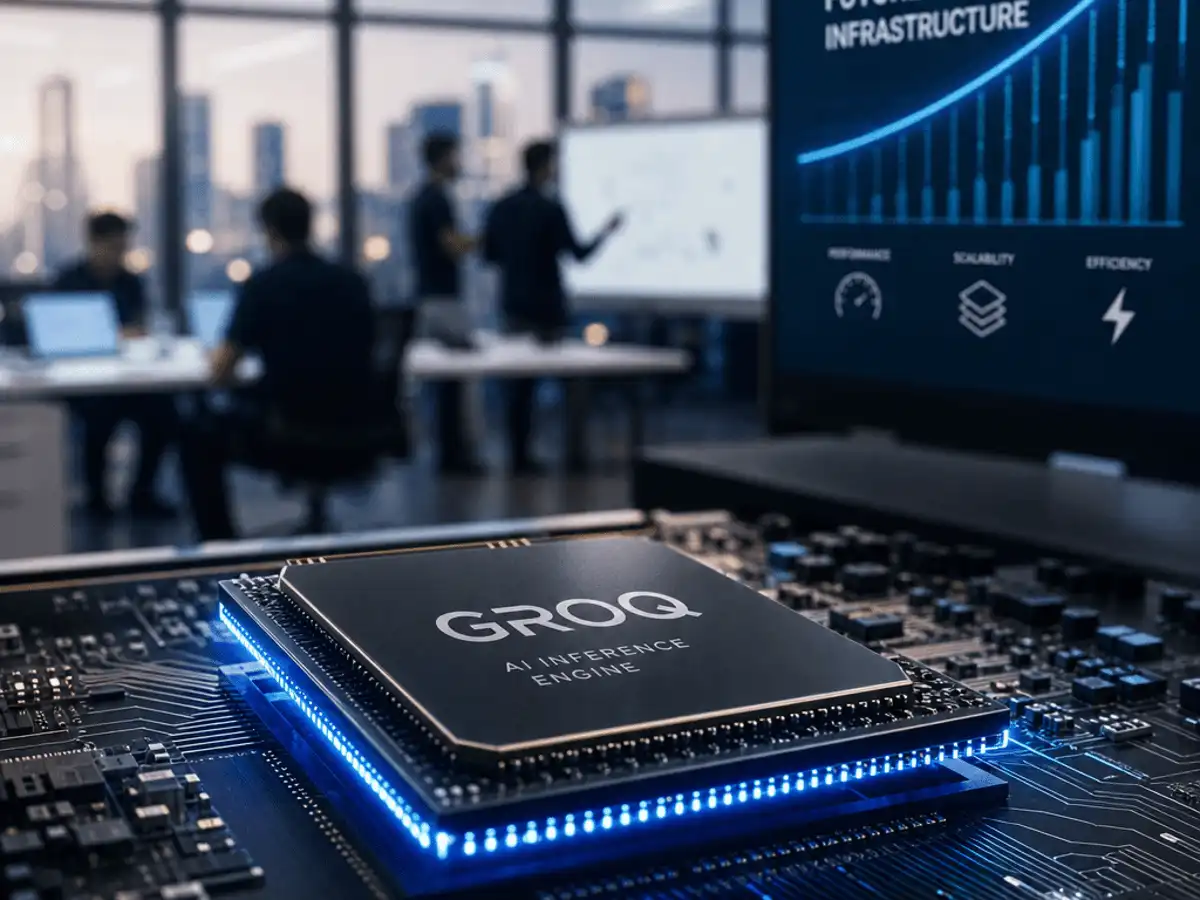
The AI chipmaker Groq has confirmed a $650 million funding round, just six months after Nvidia paid $20 billion for a non-exclusive license to its technology and poached its founding leadership. The raise comes as Groq pivots towards its neocloud business, which provides inference infrastructure using the remaining company hardware plus Nvidia GPUs.
What Happened
In December 2025, Nvidia struck a $20 billion deal with Groq, licensing its LPU technology and hiring away founder/CEO Jonathan Ross and key executives. The move left Groq's chip architecture expertise largely intact but stripped away the people who built it, creating an unprecedented corporate challenge.
Now, Groq is betting that its underlying technology - specialized chips designed to run AI models faster than traditional GPUs - is valuable enough to attract both investor capital and replacement talent. According to sources familiar with the deal, the $650 million round values Groq significantly higher than its previous fundraising, suggesting venture firms see opportunity in the chaos.
Background and Context
Groq was founded a decade ago by Jonathan Ross and Doug Wightman, who came from Google. The company created a chip called a language processing unit (LPU), used for inference, and sold it as part of a cloud service or an on-premises hardware cluster. With Nvidia now owning the IP for LPUs, the GPU giant announced its own hardware cluster, the Nvidia Groq 3 LPX inference hardware system, at its GTC event in March.
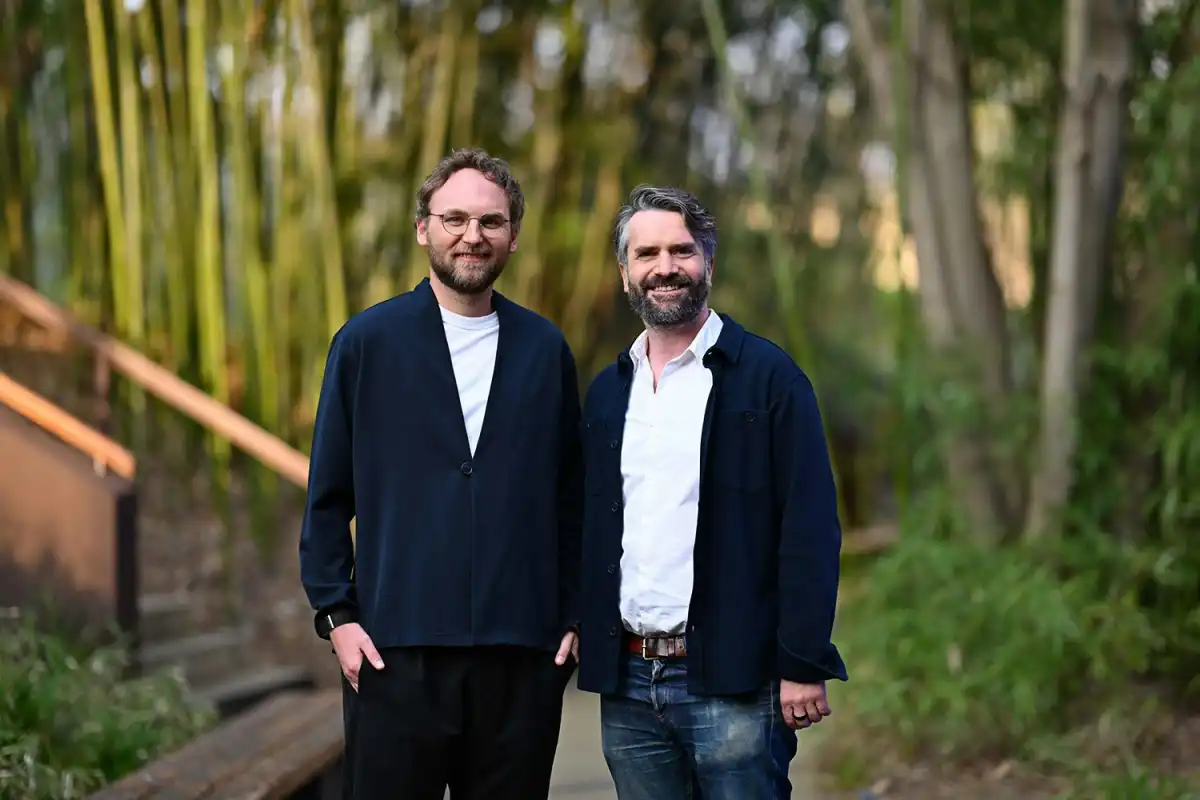
After the Nvidia deal, Wightman took over as CEO, and Groq has been reassembling its team. The company has added new leadership, including Alan Rice as COO, Sinclair Schuller as CTO, and Rakesh Malhotra as CPO. These executives come from xAI, Meta, and Apprenda, respectively.
Why It Matters to the Industry
The episode also reframes how incumbents neutralise upstarts. For a decade the standard playbook was acquisition. Nvidia's $20 billion license-plus-talent manoeuvre took the people and the patents while leaving the corporate shell standing. The last time a challenger was hollowed out this publicly, it usually disappeared. Groq is instead testing whether a hardware startup can survive as a services business once its founders and its crown-jewel design have walked out of the door.
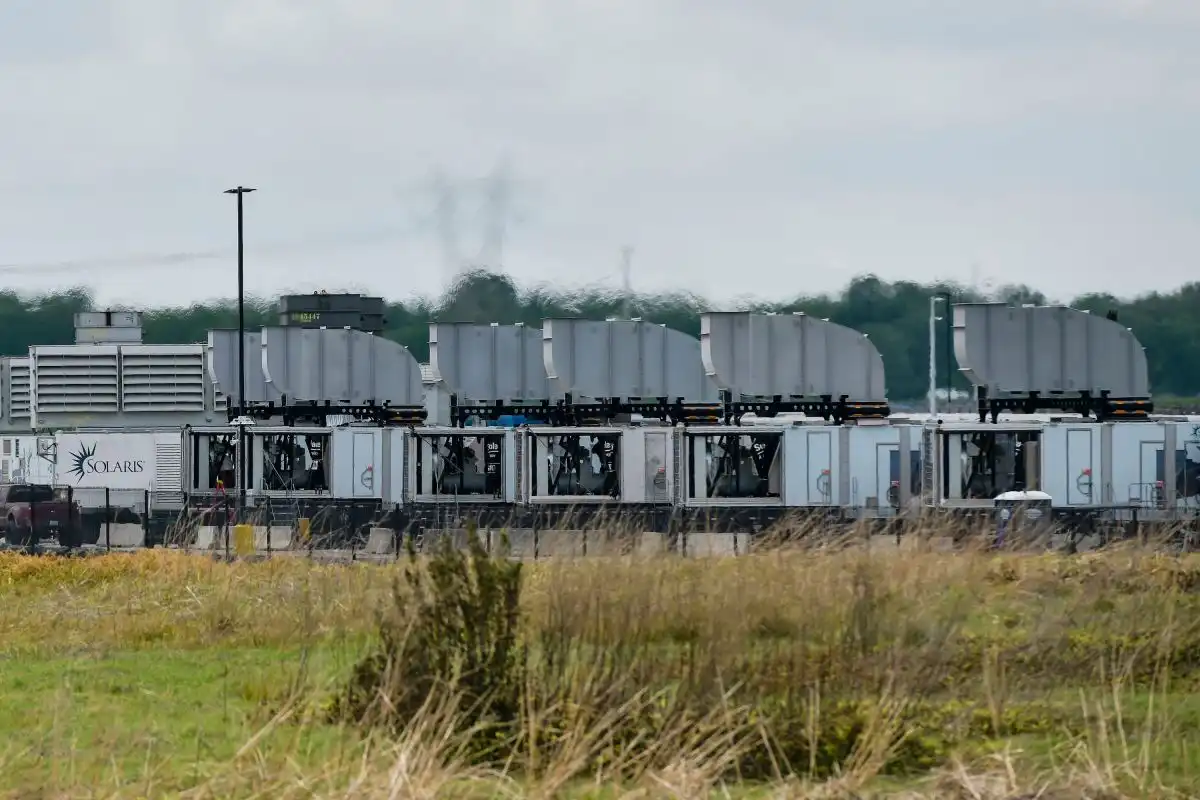
The neocloud market is exploding, with companies like SpaceX capturing significant contracts for AI compute. Groq is betting that it can capture a slice of this market - fast inference for AI companies that need speed over cost. The company's strategic response centers on its neocloud business, which lets customers access Groq's chips through cloud services rather than buying hardware directly.
What Comes Next
Groq needs people to make its technology work. The company is currently on an executive hiring spree, actively recruiting new leadership to fill gaps left by the Nvidia exodus. Job postings reveal openings for senior chip architects, infrastructure engineers, and business development executives, roles that would typically take months or years to fill with qualified candidates in today's overheated AI talent market.
The not-acqui-hire phenomenon isn't new in Silicon Valley, but the scale of Nvidia's Groq raid stands out. Traditional acqui-hires involve buying a struggling startup for its team, shutting it down, and integrating the technology into the acquiring company. Nvidia's deal was different - it licensed Groq's IP and hired away its top talent without buying the company.
Key Facts
- Groq has confirmed a $650 million funding round, just six months after Nvidia paid $20 billion for a non-exclusive license to its technology.
- Nvidia licensed Groq's LPU technology and hired away founder/CEO Jonathan Ross and key executives in December 2025.
- Groq has pivoted towards its neocloud business, which provides inference infrastructure using the remaining company hardware plus Nvidia GPUs.
- The company has added new leadership, including Alan Rice as COO, Sinclair Schuller as CTO, and Rakesh Malhotra as CPO.
- Groq is betting that its underlying technology - specialized chips designed to run AI models faster than traditional GPUs - is valuable enough to attract both investor capital and replacement talent.